


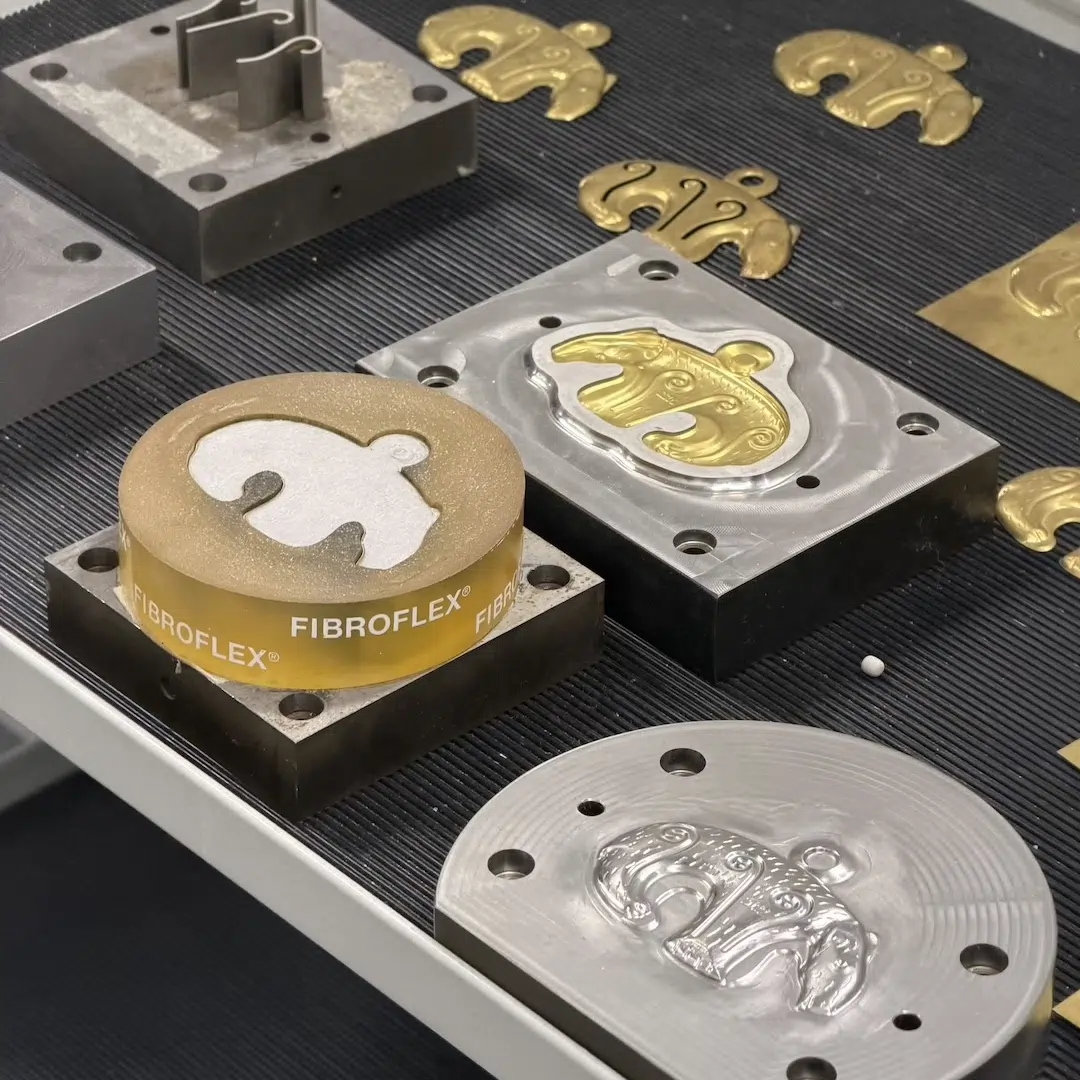
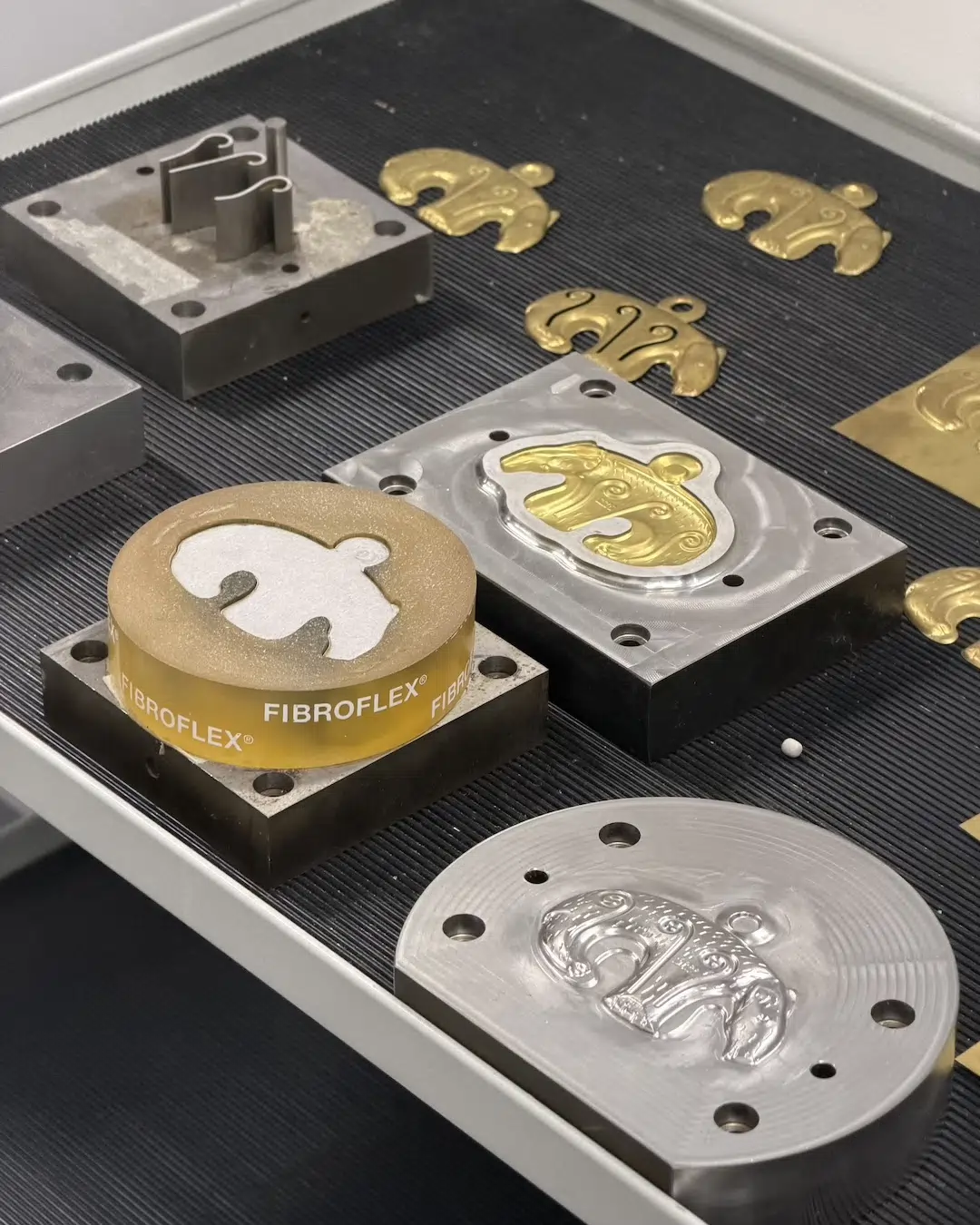
Craftsmanship Rooted in Finnish Values: Inside the Kalevala Factory
The brand takes its name from The Kalevala, Finland’s national epic. What began as an effort to preserve and reinterpret ancient Finnish ornaments and culture continues today through in-house production, while passing down craftsmanship and sustainability initiatives to future generations. Through our factory tour and interview with Creative Director Aino Ahlnäs, we discovered a way of making that embodies Finnish values.
Founded in 1937, Kalevala is one of Finland’s most iconic jewelry brands. Drawing inspiration from Nordic nature, mythology, and cultural heritage, the brand creates sculptural jewelry defined by refined craftsmanship. Every piece is produced in its own Helsinki workshop, where sustainability and social responsibility remain central values. Through timeless designs and empowering stories, Kalevala creates jewelry meant to be treasured across generations.
Share



What Nearly 90 Years of Finnish Production Means
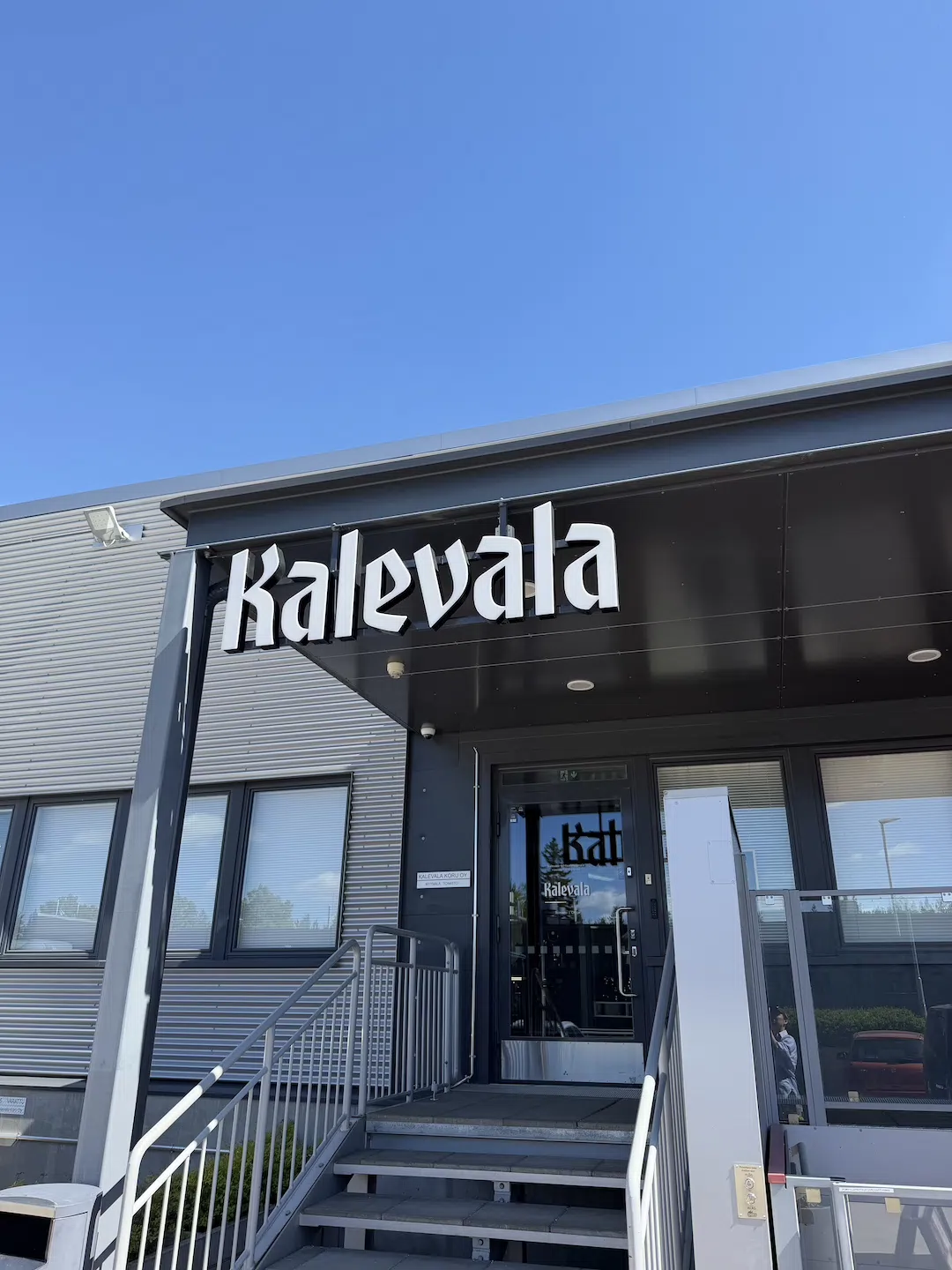
Approximately 80 people work at Kalevala’s headquarters and factory. Although the building relocated to its current site two years ago appears strikingly simple from the outside, reflecting a distinctly Nordic minimalism, the atmosphere changes entirely once inside.
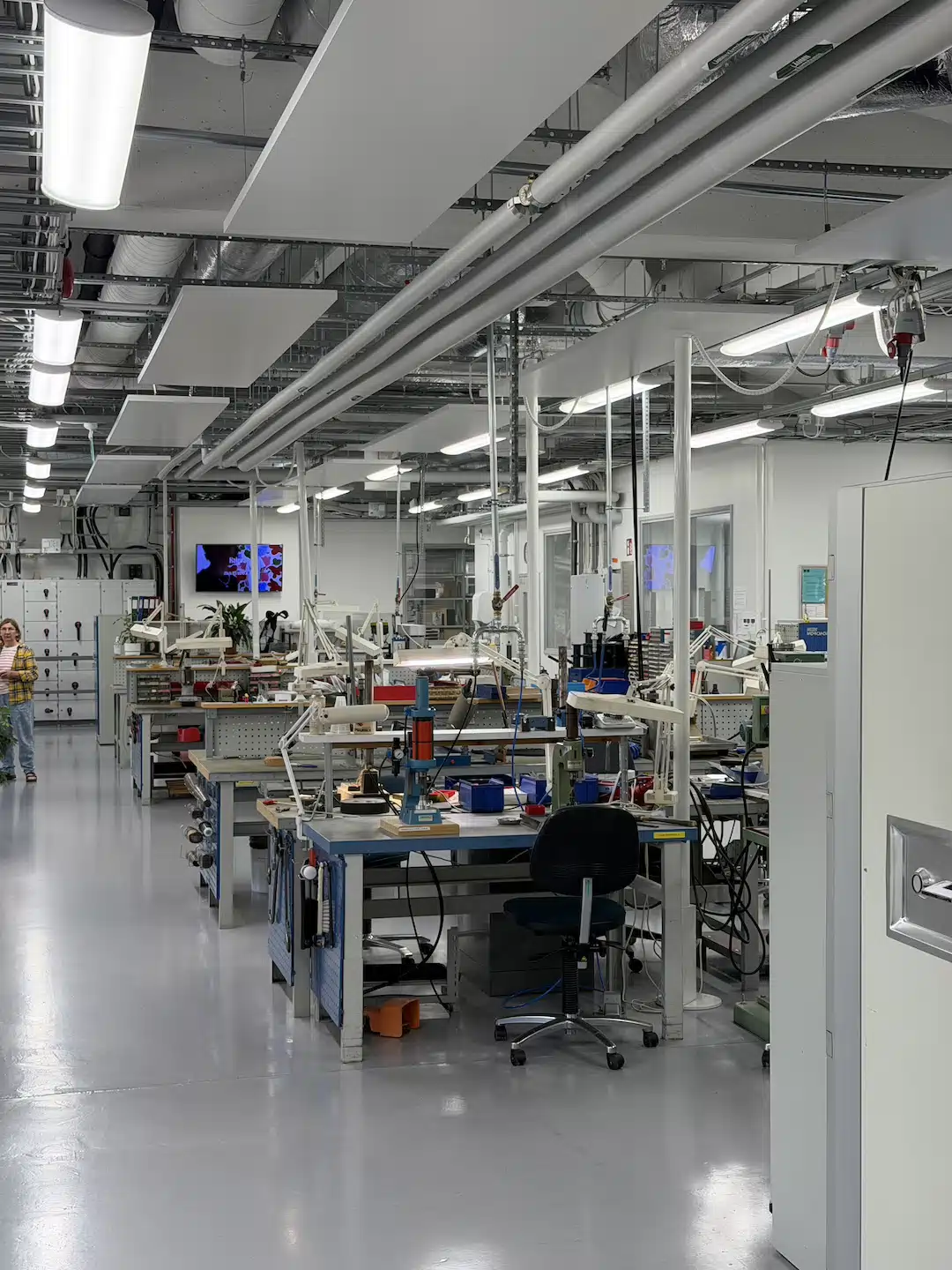
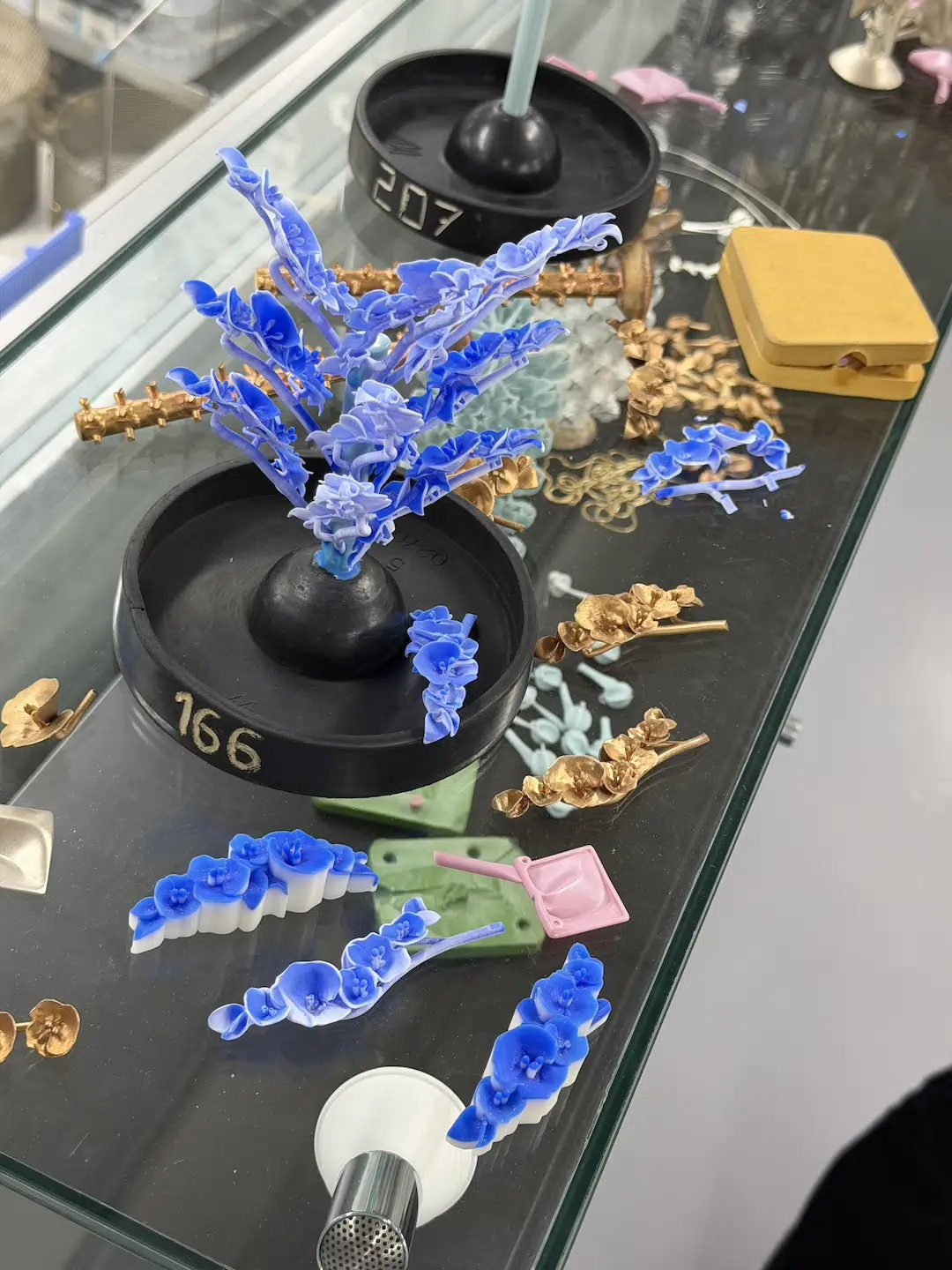
Casting, polishing, finishing, and quality inspection: artisans work quietly and meticulously at every stage of production.
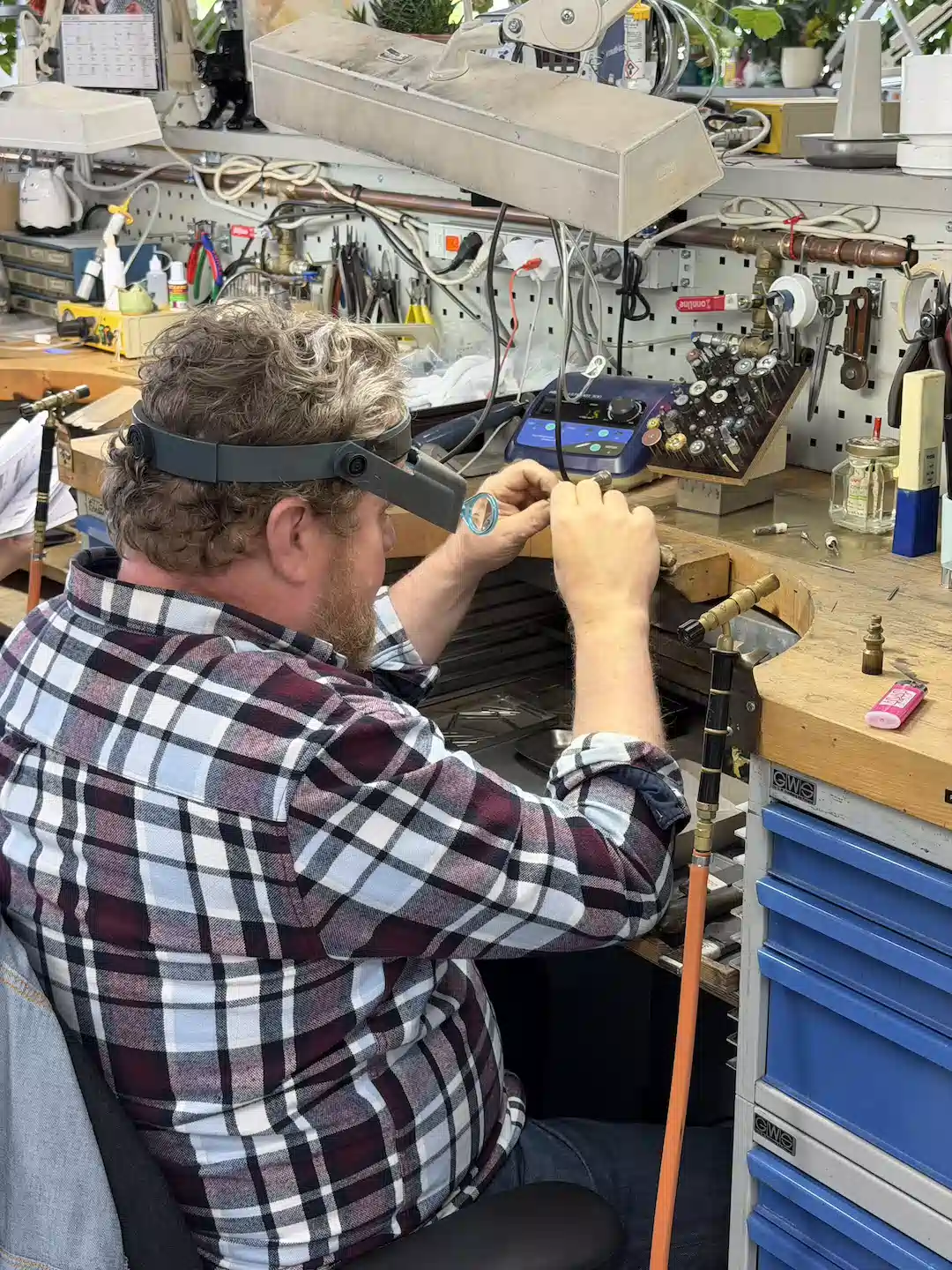
What stood out most during the visit was a manufacturing philosophy that seems to exist at the opposite end of the spectrum from mass production. Kalevala jewelry is still made in its Helsinki factory today, and on average, around ten artisans are involved in the creation of a single piece.
While the factory is equipped with modern technology, the final quality ultimately depends on the skill and experience of its craftspeople.
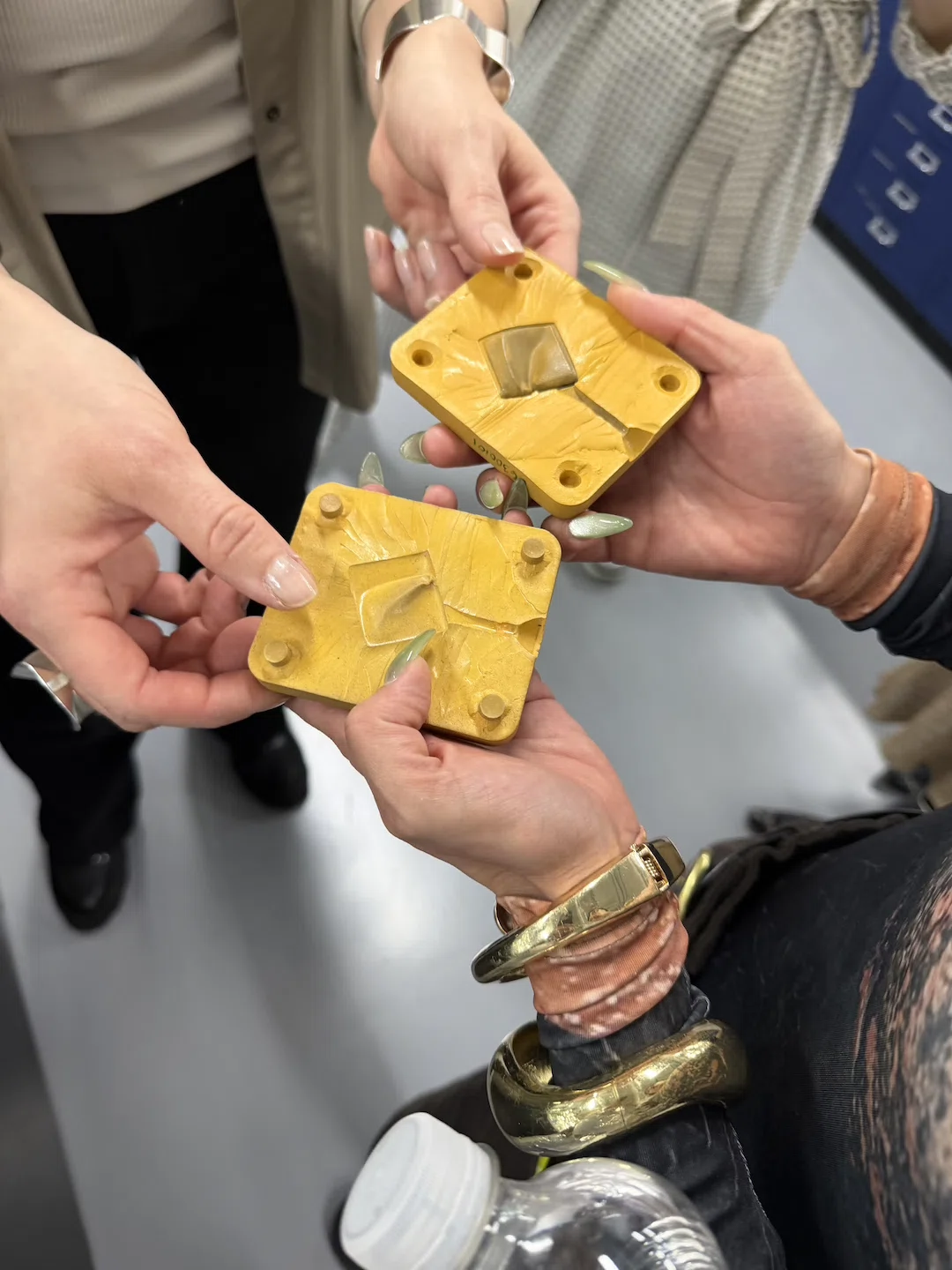
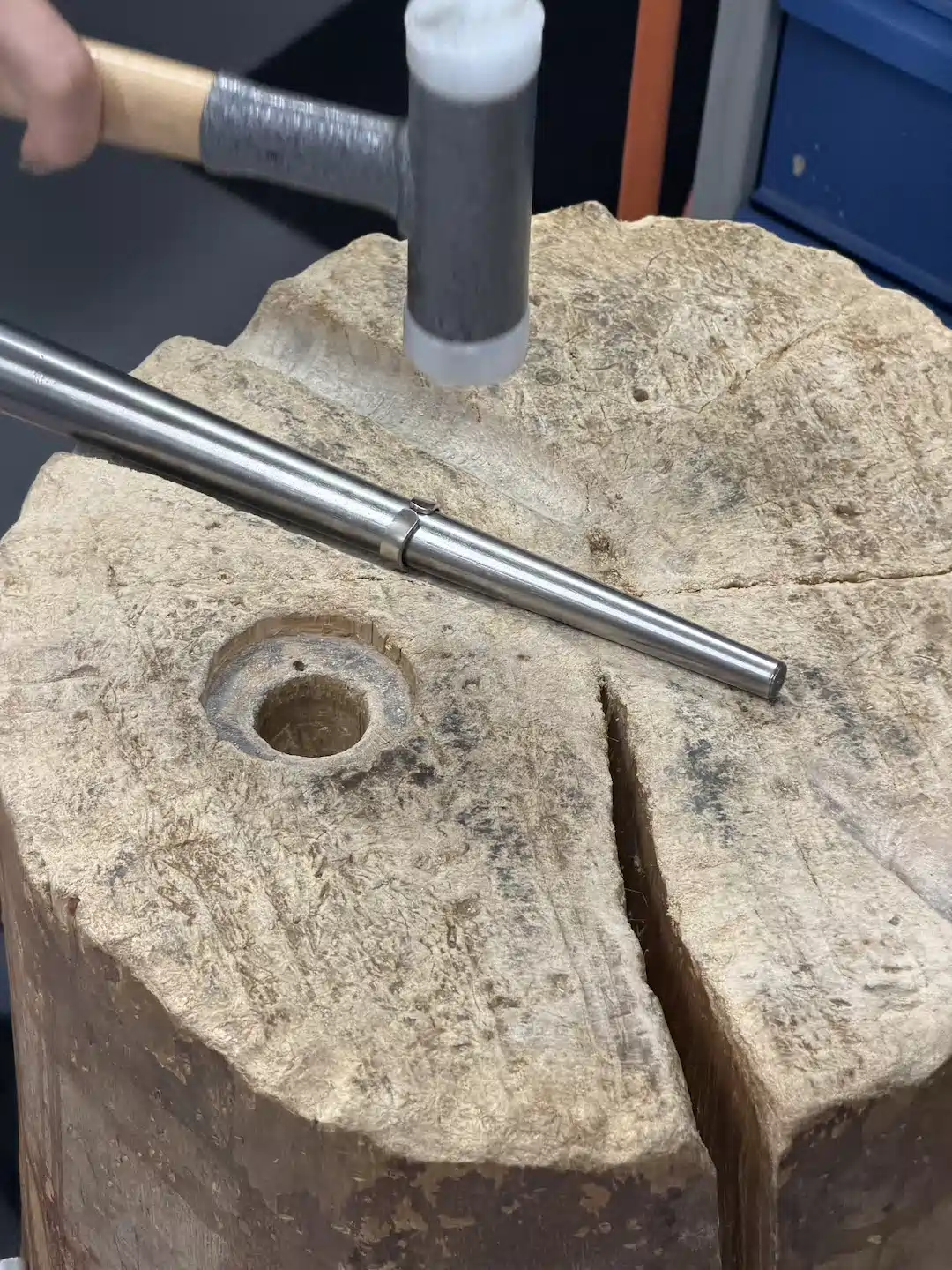
Walking through the workshop, it became clear that there is a deep commitment to preserving techniques cultivated over decades. Behind nearly 90 years of domestic production lies not only a dedication to products themselves, but also to protecting craftsmanship as cultural heritage.
Sustainability Exists as a System
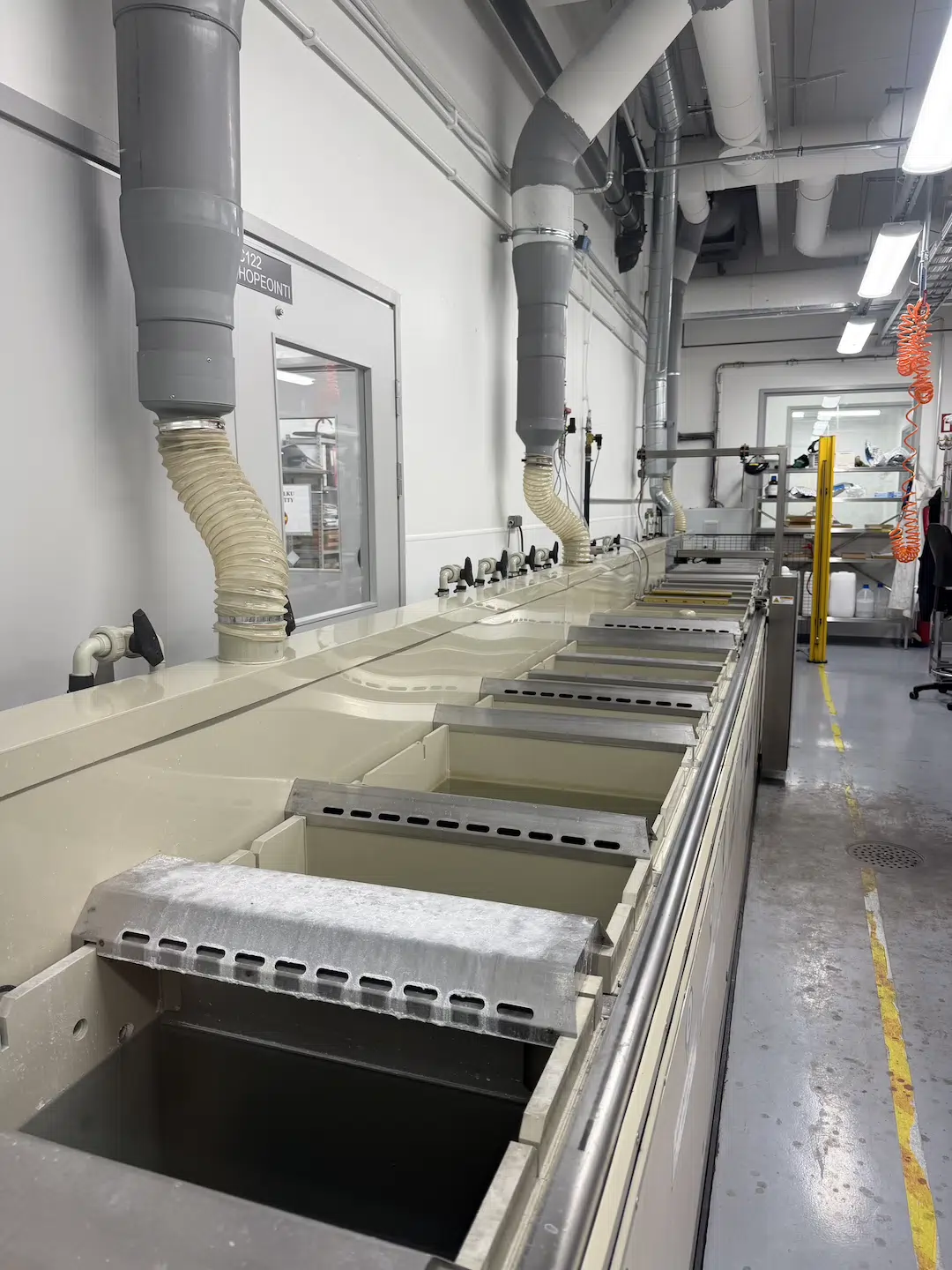
One of the most fascinating aspects of the visit was Kalevala’s approach to sustainability.
In the fashion industry, environmental responsibility is often discussed as a brand story. At Kalevala, however, sustainability exists first and foremost as a production system.
The factory is powered by wind energy and rooftop solar panels. Water used during production is purified on-site, with part of it returned to the manufacturing process.
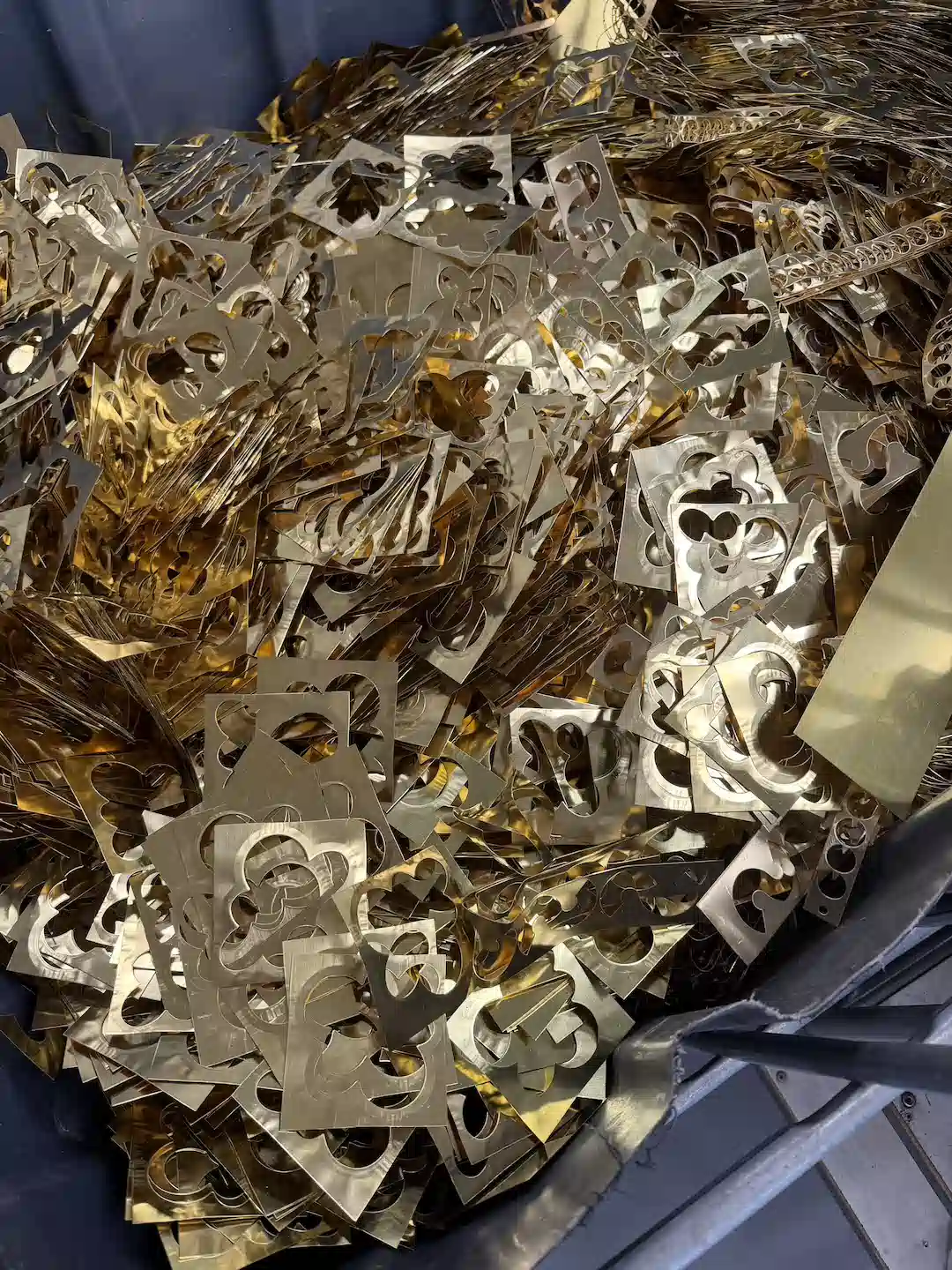
The materials are equally carefully managed: gold is made from 100% recycled sources, while more than 99% of silver is recycled. Even microscopic metal dust generated during polishing is collected and reused as raw material.
Visiting the factory firsthand revealed that sustainability here is not a marketing concept, but something deeply integrated into a production system built over many decades.
Nurturing the Value of “Using Things for a Long Time”
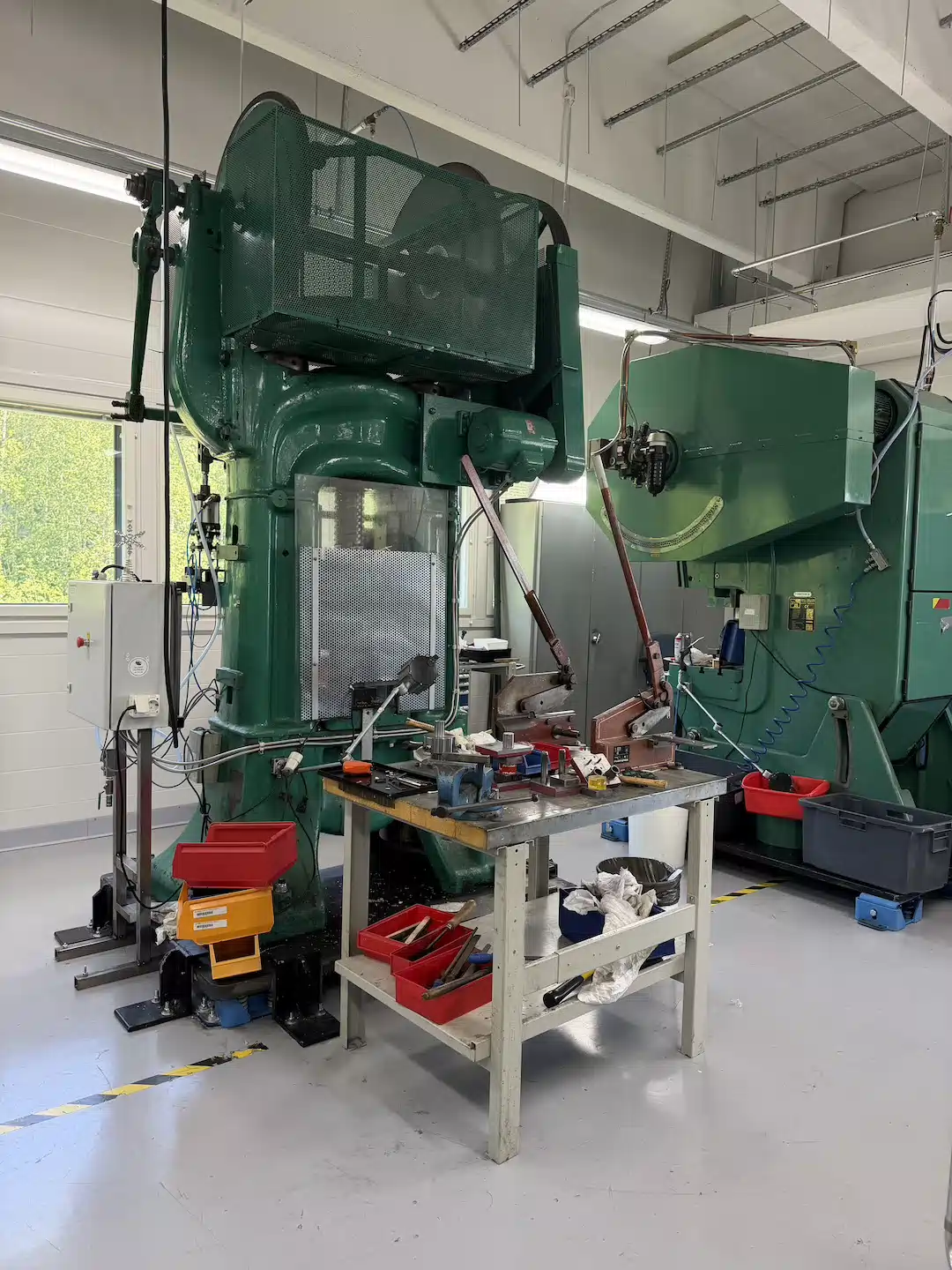
Another impression that stayed with me after the tour was Kalevala’s philosophy of longevity.
Kalevala jewelry is not created to follow trends, but to be worn and cherished for decades. One symbolic initiative is Kalevala Preloved, a program through which the company purchases pre-owned Kalevala jewelry, restores it in its factory, and passes it on to new owners.
Inside the workshop, we witnessed artisans carefully maintaining vintage pieces one by one. Rather than simply continuing to create new products, the brand actively circulates existing value—a distinctly Finnish approach to sustainability.
In Finland, there is also a tradition of passing Kalevala jewelry down from parent to child. As I walked through the factory, I began to feel that what is being created here is not only jewelry, but a culture of longevity itself.
Asking the Creative Director About Kalevala Today
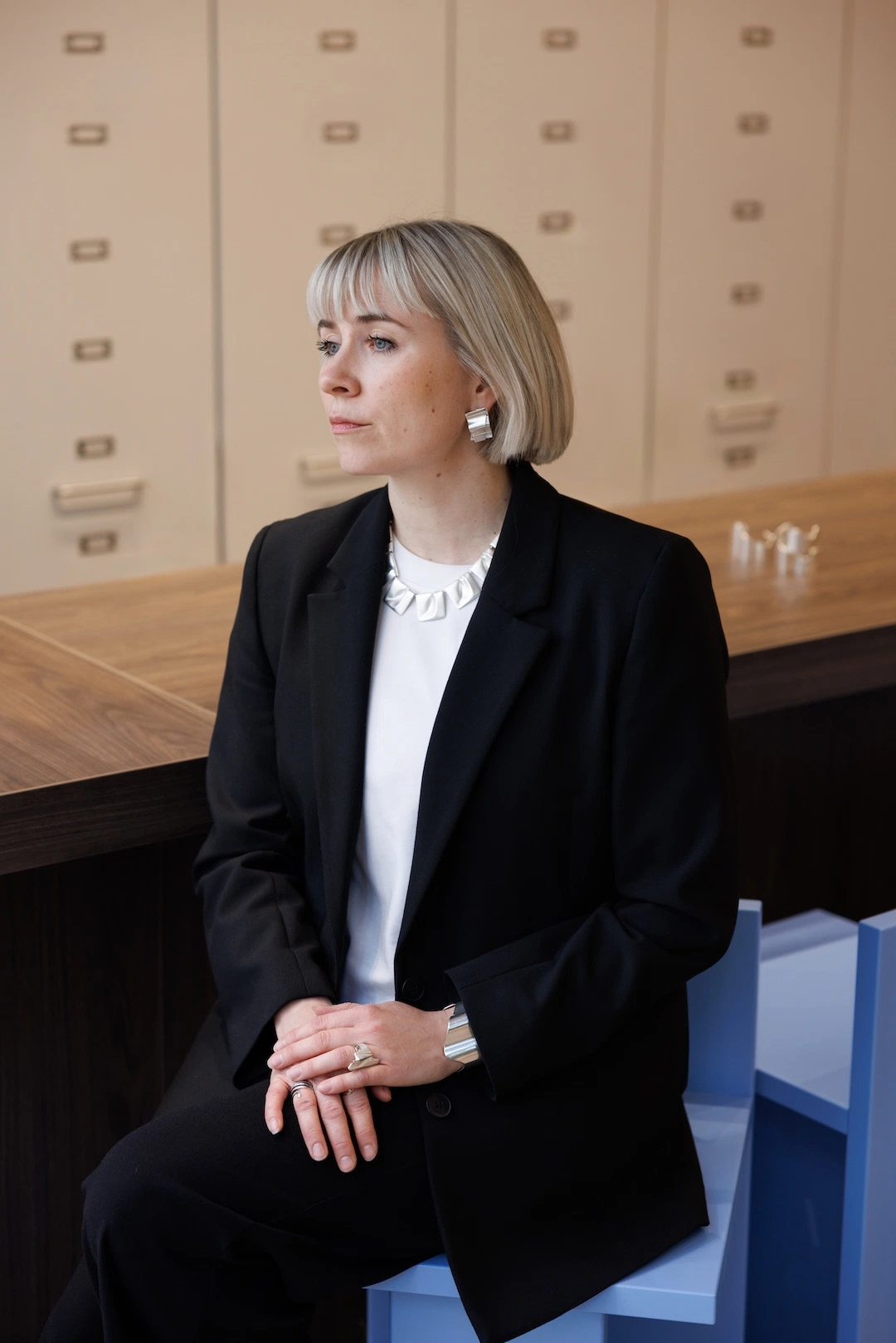 Aino Ahlnäs, Creative Director of Kalevala
After the factory tour, we sat down with Aino Ahlnäs, Creative Director of Kalevala.
As the brand approaches its 90th anniversary, why does it continue engaging with emerging fashion scenes like Fashion in Helsinki? And how does it balance heritage with modernity?
— Fashion in Helsinki features many young designers. What significance does Kalevala’s participation hold as the brand approaches its 90th anniversary in 2027?
Aino: Kalevala will celebrate its 90th anniversary in 2027. Our design heritage is built upon a balance between timelessness and a bold vision toward the future. Dialogue and collaboration with young designers are extremely important to us and essential for ensuring that heritage brands remain relevant in contemporary culture.
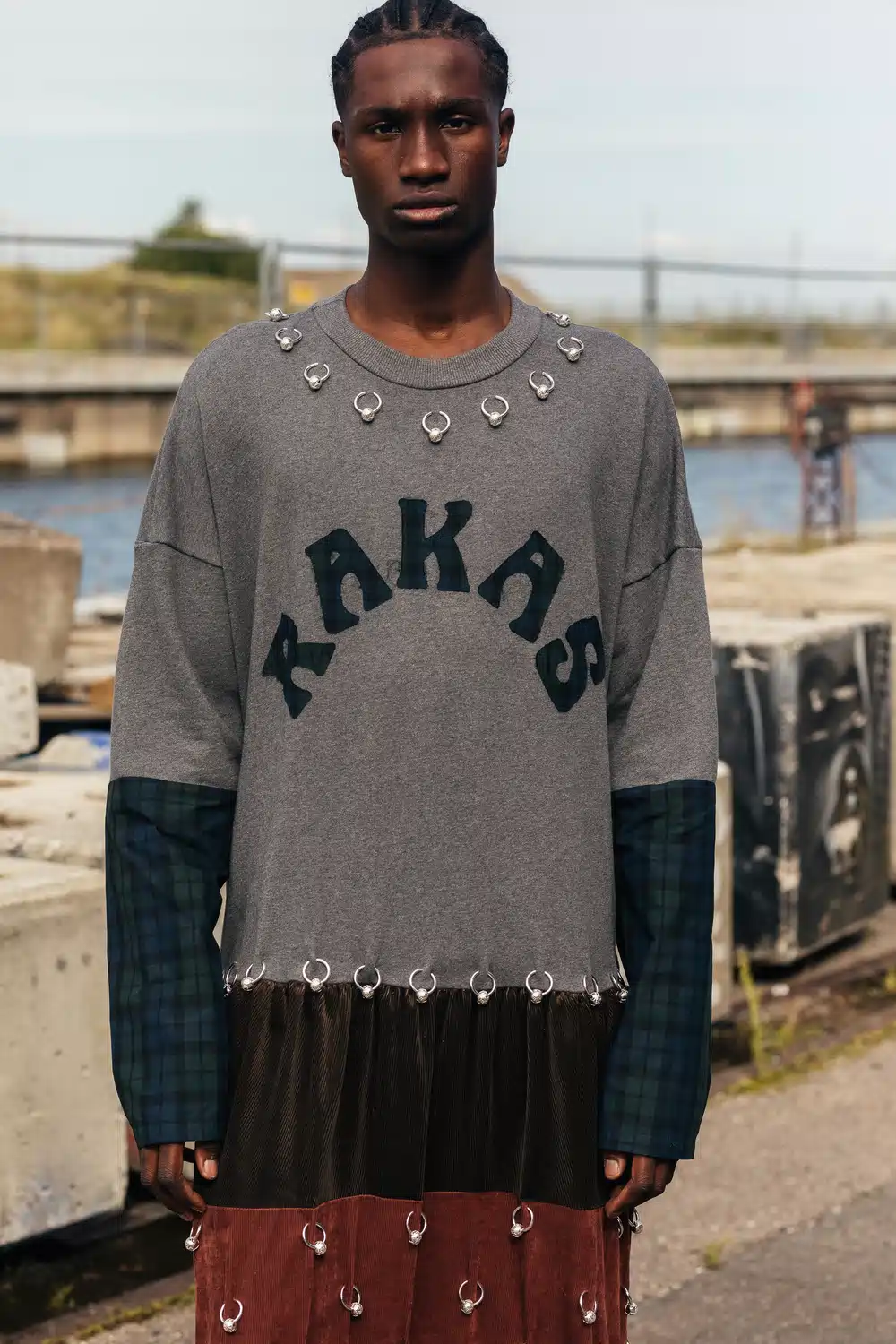 The Rakas collaboration with Rolf Ekroth, presented during Copenhagen Fashion Week Spring/Summer 2025.
— What kinds of initiatives have you undertaken?
Aino: In recent years, we have worked on projects such as the Kalevala Männyt collection with young jewelry designer Ildar Wafin, as well as an experimental collaboration with Rolf Ekroth presented during Copenhagen Fashion Week. These projects included multifunctional jewelry like Rakas and conceptual pieces made from recycled materials.
— After visiting the factory, I felt that craftsmanship itself lies at the core of Kalevala.
Aino: Craftsmanship and responsible production in Finland are among our most important values, and they always will be. On average, a Kalevala piece passes through around ten pairs of hands before it is completed.
— Does maintaining your own factory also hold significance from a design perspective?
Aino: From a design perspective, what is especially fascinating is that our factory enables us to create highly diverse and technically sophisticated works. Our jewelry can also be seen as small wearable sculptures.
— The use of recycled materials and renewable energy was particularly impressive.
Aino: Sustainability lies not only in our manufacturing processes but also at the heart of our philosophy of timeless design. We use almost 100% high quality recycled silver and gold, operate our factory using renewable energy, and manage wastewater treatment ourselves.
— I understand social responsibility is also a major theme for the brand.
Aino: Social responsibility is part of our identity. Since our founding in 1937, we have maintained strong values centered on supporting women and children. Today, we still allocate one third of our annual profits to charitable activities and employee welfare.
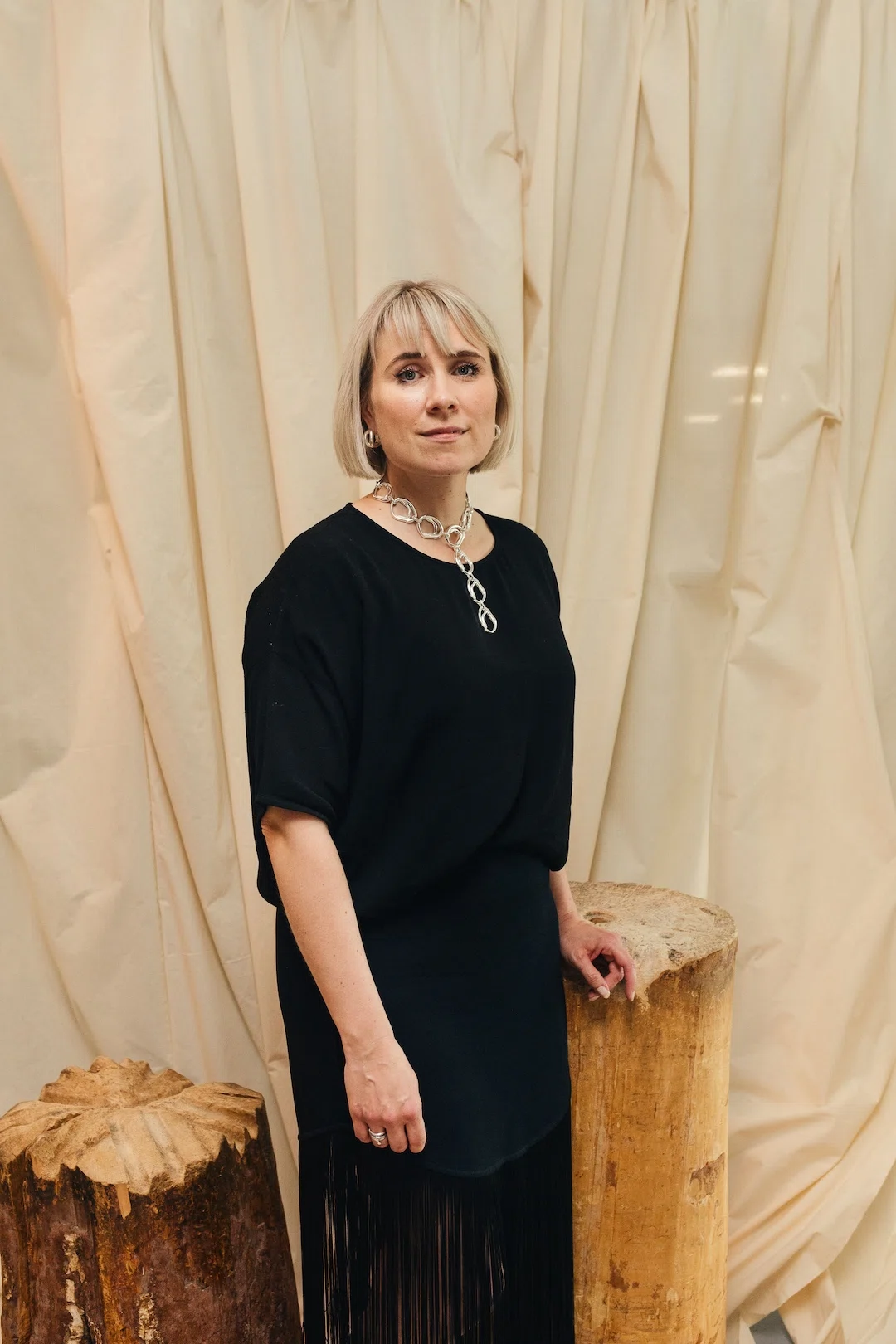
— Despite its long history, Kalevala’s designs feel remarkably contemporary. How do you balance traditional craftsmanship with modern design?
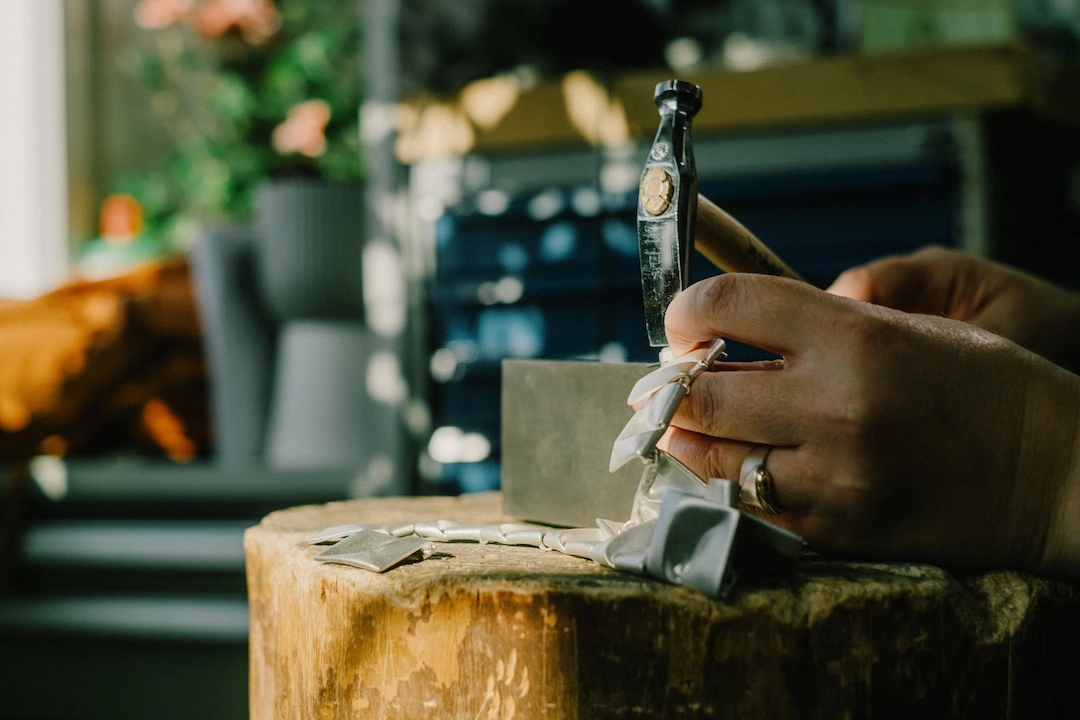
Aino: For us, traditional techniques and contemporary design are inseparable—they have always coexisted.
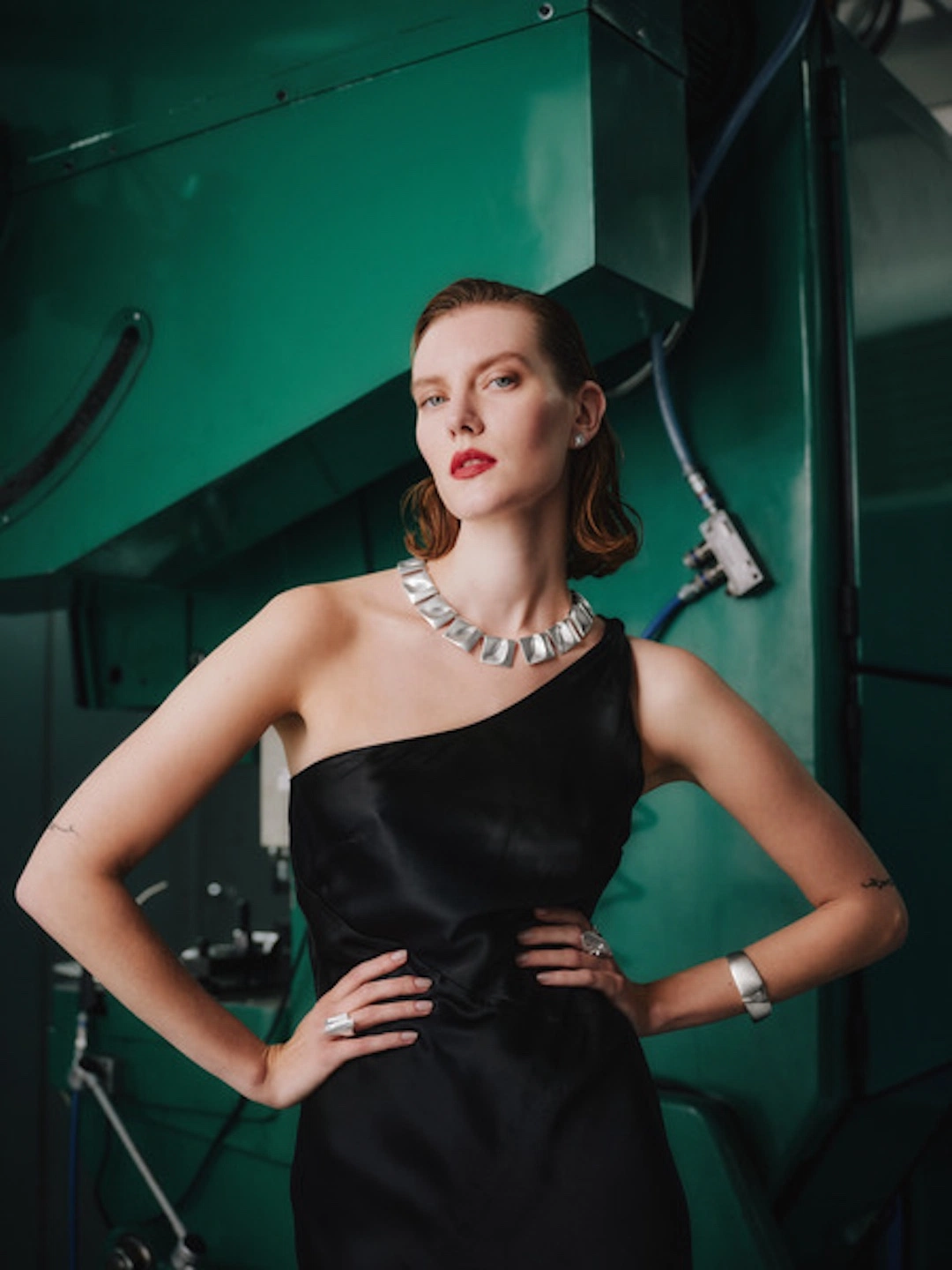
— Is there a piece that symbolizes this philosophy?
Aino: One example is our iconic Planetaariset Laaksot necklace , known not only as a modern “future classic” but also for appearing in Star Wars. Creating pieces like this requires highly skilled goldsmiths.
— During the factory tour, it was inspiring to see knowledge being passed on to younger artisans.
Aino: Passing goldsmithing skills to the next generation is something we deeply value. Experienced craftspeople mentor younger artisans, ensuring that knowledge and techniques continue to live on.
— What are your impressions of Japanese craft culture?
Aino: I feel there is a shared aesthetic sensibility between Japan and Finland. Both cultures value quiet beauty, attention to detail, and thoughtful, high quality design. Nature is also an important source of inspiration in both cultures.
— Those similarities seem to extend into design as well.
Aino: Personally, I greatly admire Japanese design. I am especially drawn to its craftsmanship and the quality of experiences that are so carefully refined and thoughtfully designed.
— Finally, as Kalevala looks toward its 100th anniversary, what future do you envision?
Aino: For us, what matters is the coexistence of new ideas and timeless values. Ultimately, we hope our jewelry will not exist for temporary trends, but will be worn for decades and passed down across generations.
Preserving and Passing On Is Also a Way of Building the Future
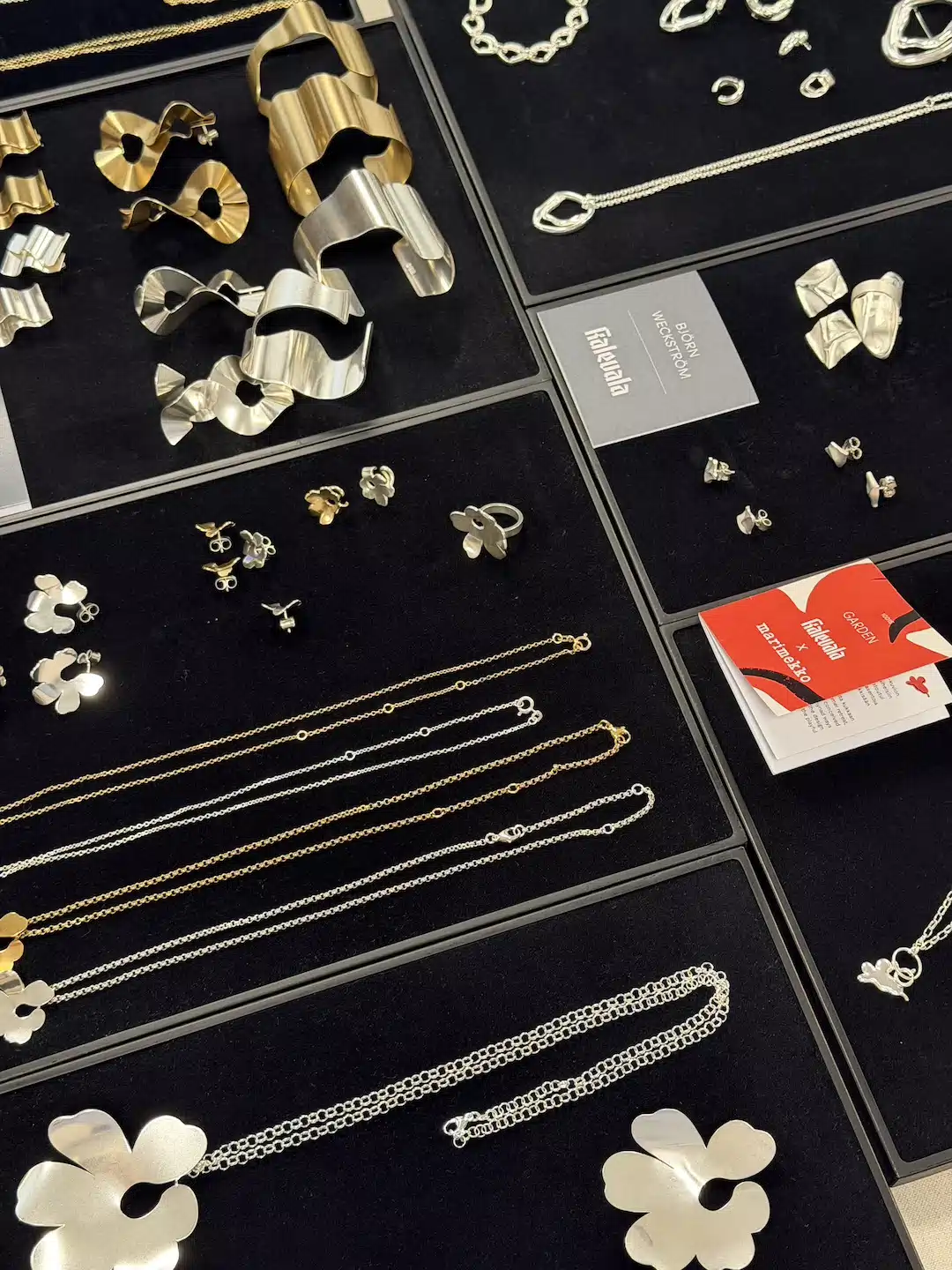
At Fashion in Helsinki, many young designers presented visions of fashion’s future. Amid them, Kalevala offered a different perspective: that the future can also be created by inheritance and continuity.
As I left the factory, I felt I finally understood why Kalevala has continued producing in Finland for nearly 90 years.
What is being preserved here is not only jewelry. Craftsmanship, culture, and the value of using things for a long time are all being passed on to future generations.
The future I encountered at Fashion in Helsinki was not only about creating something new. Kalevala demonstrated that protecting and carrying forward traditions can also be a way of shaping the future.
Kalevala
Website:https://www.kalevalashop.jp
Instagram:@kalevala_jp
Share
- Reporting & Interview Support : Charles Kawamoto(QUI)
- Edit & Interview : Yukako Musha(QUI)