



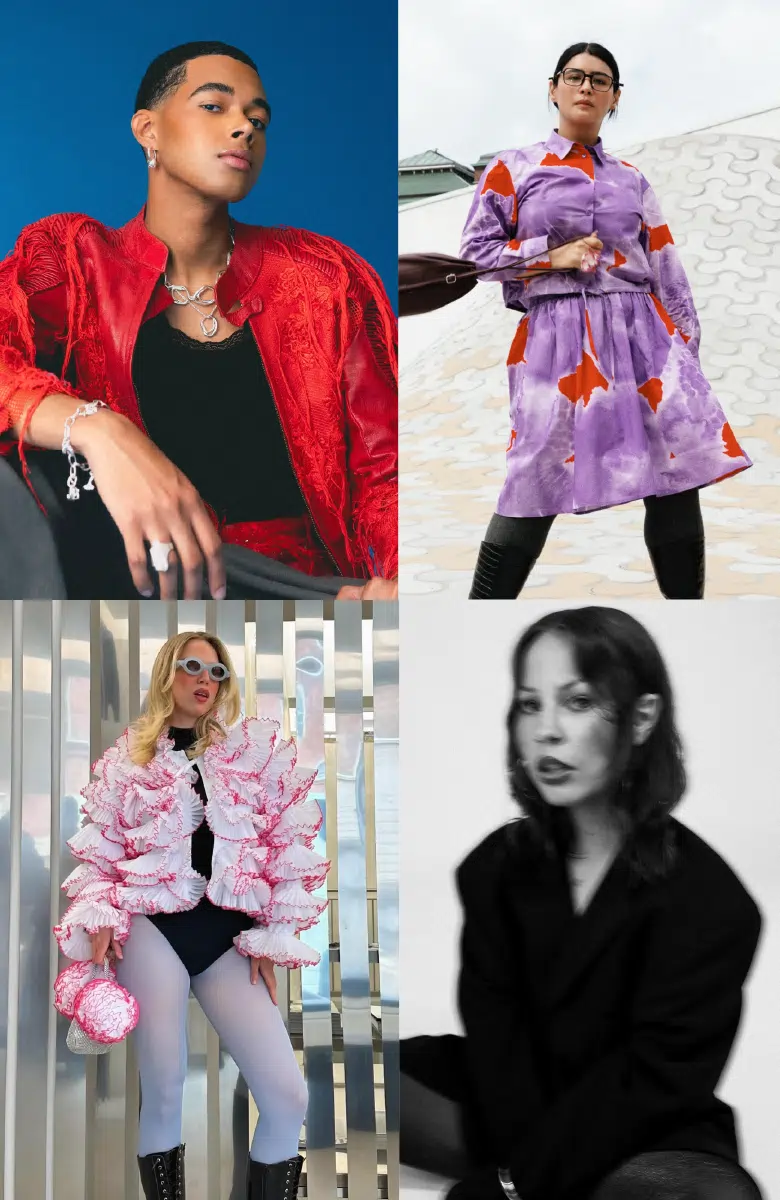
Why Helsinki Now? The Appeal of Helsinki Fashion as Told by Local Industry Insiders
Wilma Teittinen / Fashion Creator
A fashion creator based between Helsinki and Lisbon. Known for her unique and playful styling, she showcases fashion that seamlessly blends Nordic minimalism with a free-spirited sensibility. Covering and reporting on fashion scenes across Europe, including Copenhagen Fashion Week, she has deep roots in Helsinki’s young creative community.
Instagram:@wilmaaelena
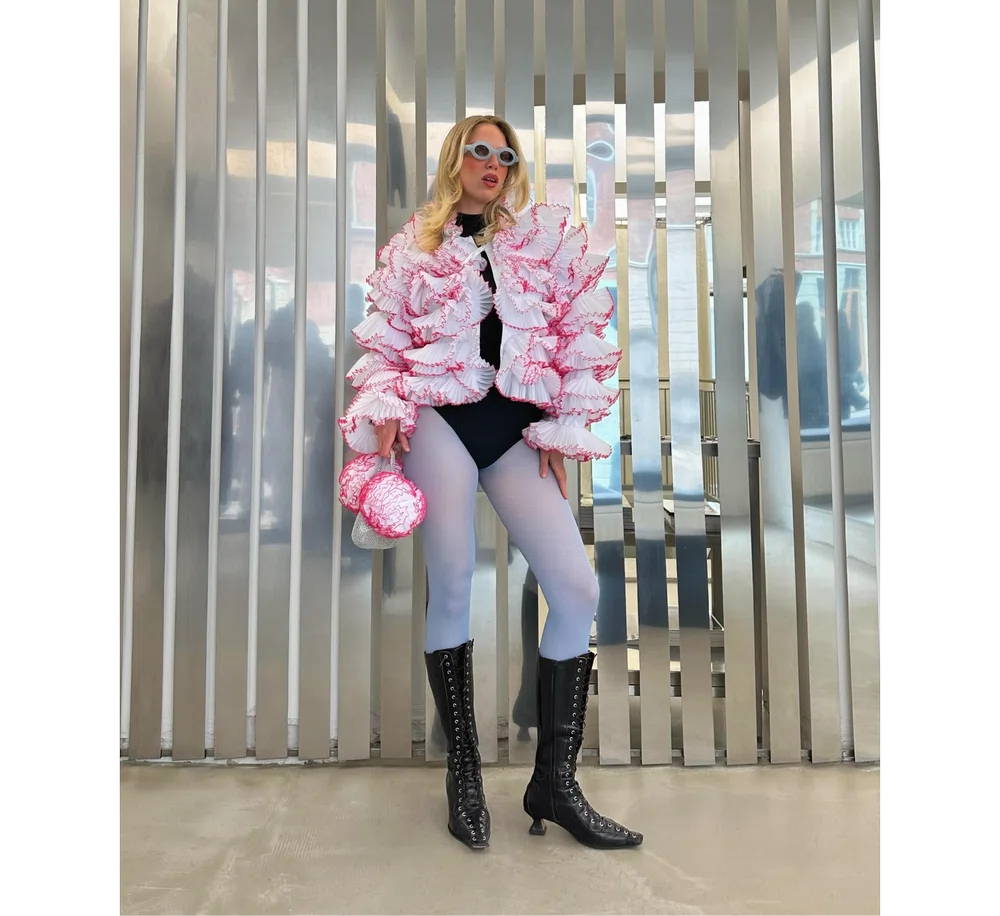
Q1. Why do you think it is important to showcase Helsinki fashion to the world right now? What are your thoughts on its significance and timing?
I truly believe that "Fashion in Helsinki" is the second most exciting fashion week in the Nordic region. As a Finn who has lived abroad for about five years, I can perceive the value of the new talent emerging in Finland more objectively.
I think Helsinki fashion brings a very fresh perspective to today's fashion industry. People are no longer just chasing trends; they are increasingly focused on quality, individuality, functionality, and conscious consumption.
Helsinki means everything to me. It is the "home" I always return to. Here, I can be myself, surrounded by the people who matter most to me. Rich culture, the sea, and nature are also close at hand. Its true charm lies in being a "big city" that still retains a profound sense of calmness.
Q3. What do you see as the greatest strength of contemporary "Nordic fashion," which maintains such a unique presence?
I think its greatest strength is "confidence in simplicity." Furthermore, sustainability, timeless design loved across generations, and versatility that accommodates diverse styles are also major draws.
Q4. What similarities do you see between the fashion scenes of Finland and Japan, and what is your impression of the Japanese fashion community?
I definitely feel a common ground with the Japanese fashion scene. In fact, I know that Finnish brands like Marimekko and Kalevala enjoy great popularity in Japan. Both countries value high quality and simplicity.
However, I get the impression that the Japanese fashion community is less afraid of bold expression compared to Finland. While many people in Finland prefer to wear black, Japanese fashion shows a wonderful sense of playfulness in its patterns, silhouettes, and overall styling. And I absolutely love that about Japanese fashion.
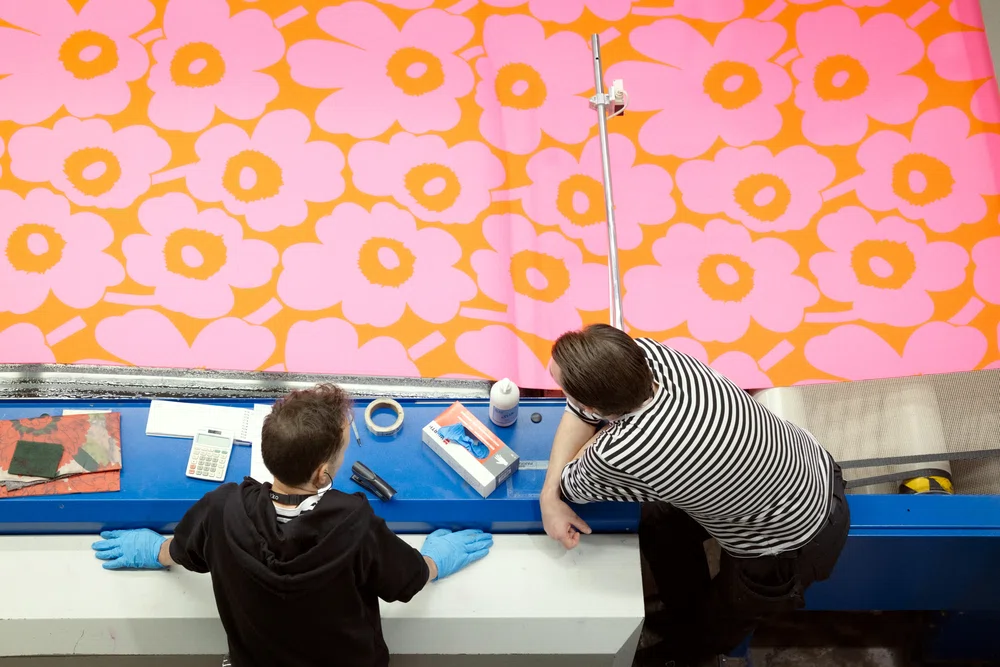 Marimekko
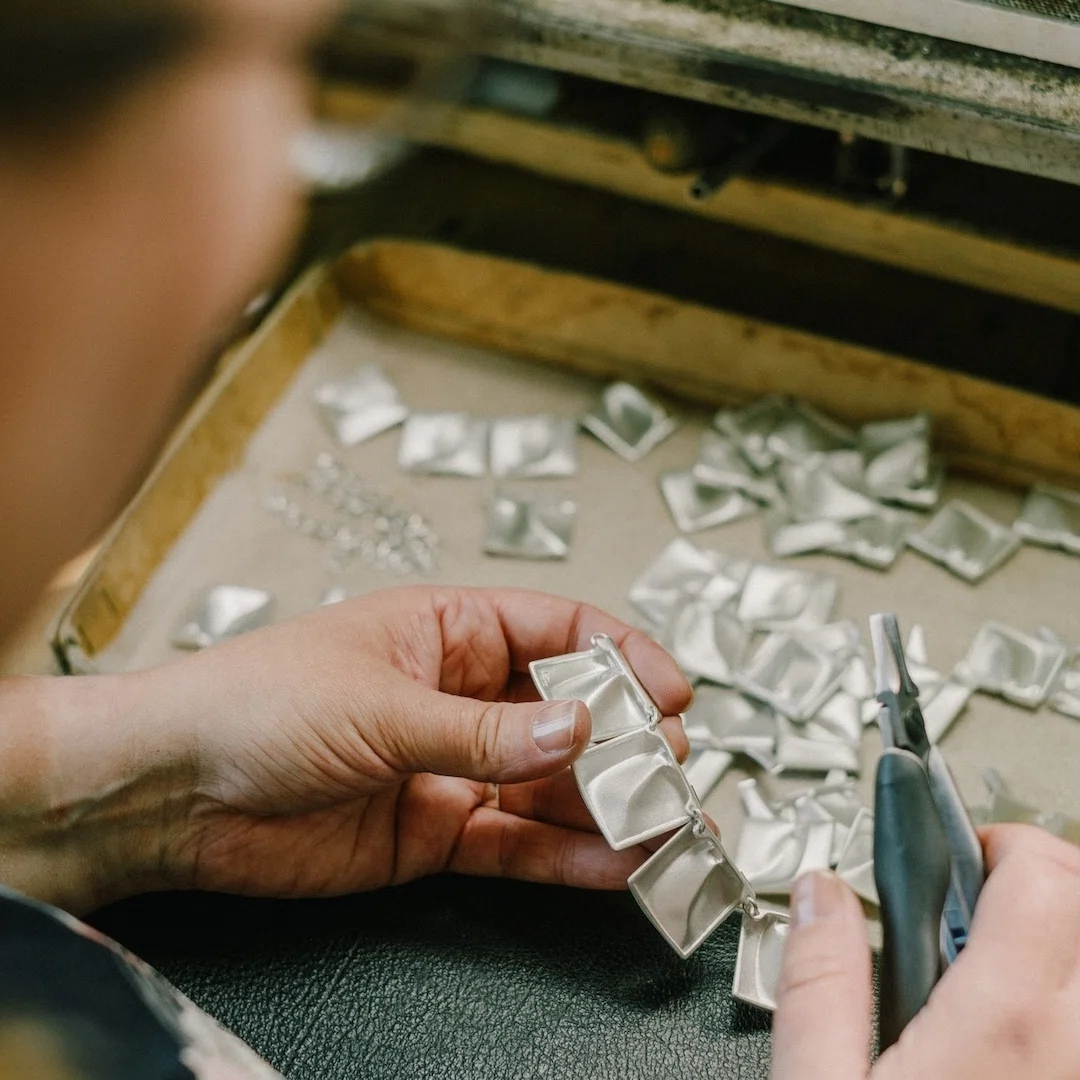 Kalevala
Beda Suni / Designer & Stylist
A Helsinki-based designer and stylist. Known for a distinctive approach that incorporates bold colors and unique silhouettes, Beda conveys a singular worldview through both fashion design and styling. Deeply involved in fashion scenes and creative communities across Europe, Beda also collaborates with various brands and artists, gathering attention for a creative style that beautifully fuses a characteristically Nordic experimental spirit with a free-spirited sensibility.
Instagram:@bbedasuni

Q1. Why do you think it is important to showcase Helsinki fashion to the world right now? What are your thoughts on its significance and timing?
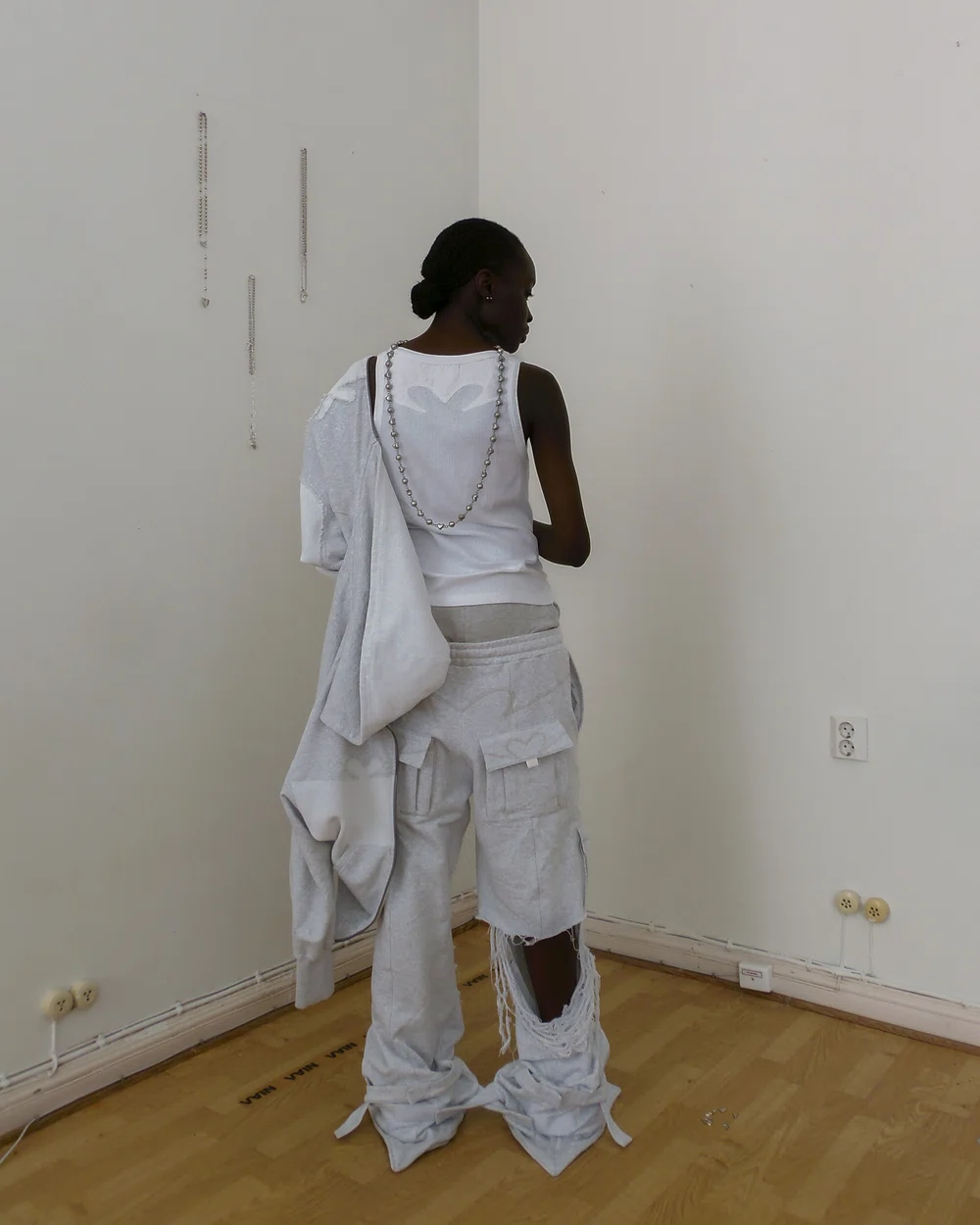
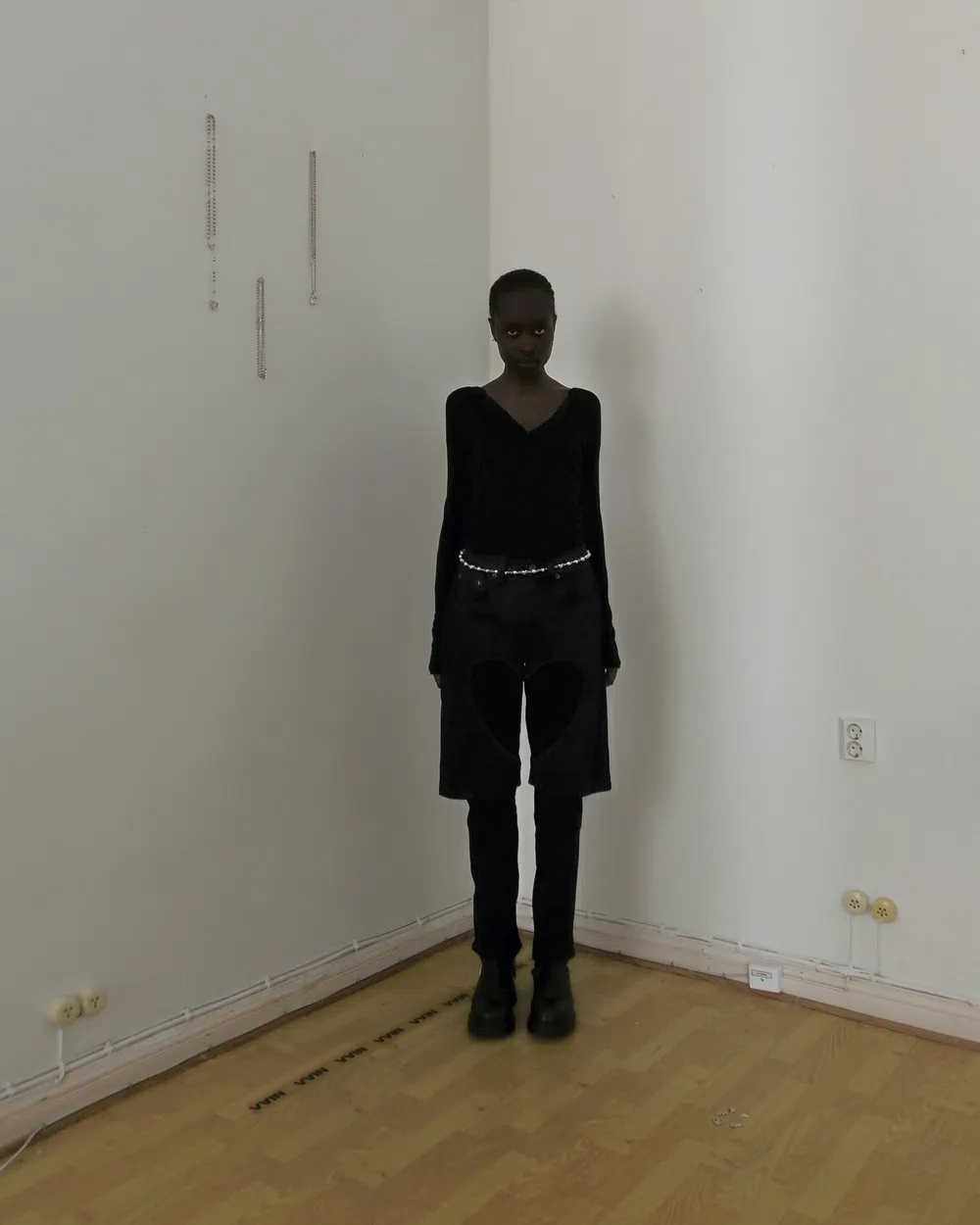
For me, Helsinki fashion is deeply intertwined with the idea of "creating freely, without seeking anyone else's approval." Here, fashion is closely linked to music, art, community, and the broader cultural scene.
I believe Helsinki fashion has its own unique voice. This is precisely because it emerges from a relatively small place, yet one that possesses an incredibly strong sense of identity. While the fashion industry is increasingly driven by speed, my own life is moving in a slower direction. That is why I feel there is great meaning in sharing a perspective born out of a place that isn't one of the world's major fashion capitals.
Furthermore, I believe fashion reflects our values—how we live, how we interact with nature, and how we perceive society. Fashion exists as an expression of these elements. Helsinki has always had a slightly alternative spirit, and I think that is the charm the world is currently drawn to.
Q2. What does "Helsinki-ness" mean to you? How does the city’s charm influence your lifestyle and creativity?
Helsinki is a city where I can share my life with dear friends, and enjoy the Baltic coastline and seemingly endless forests. It is also a place where I feel a sense of belonging within the artist community. I am incredibly proud of this city. Who knows, maybe in my next life I'll be a nature guide for tourists in Helsinki.
Helsinki has a sense of calmness and simplicity, but at the same time, it is alive with a powerful underground culture and a spirit that challenges existing values. This city has shaped my creative way of thinking. Growing up and working here has taught me to value being "authentic" over being perfect. There is a certain room a blank space to experiment and forge your own path.
Additionally, proximity to nature is a vital part of this city's identity. Nature influences how we move, how we think, and how we create. For me, Helsinki is a place where culture, fashion (my work), and everyday life connect naturally.
Q3. What do you see as the greatest strength of contemporary "Nordic fashion," which maintains such a unique presence?
Nordic design is about more than just aesthetics. It is conceived with functionality, durability, and the relationship between people and the environment in mind. I am deeply drawn to its simplicity, strong silhouettes, and restrained expression.
There is also a quiet confidence and a deep commitment to detail. Nordic fashion is not minimal simply for the sake of being minimal. It is emotional, personal, and sometimes even rebellious. It's just that it is expressed in a more subtle, understated way.
Q4. What similarities do you see between the fashion scenes of Finland and Japan, and what is your impression of the Japanese fashion community?
I feel a shared connection in the respect for craftsmanship, attention to detail, and individual expression. Both Finland and Japan share a culture of deep, thoughtful consideration. There is also a mutual understanding that great meaning can dwell within the smallest of details.
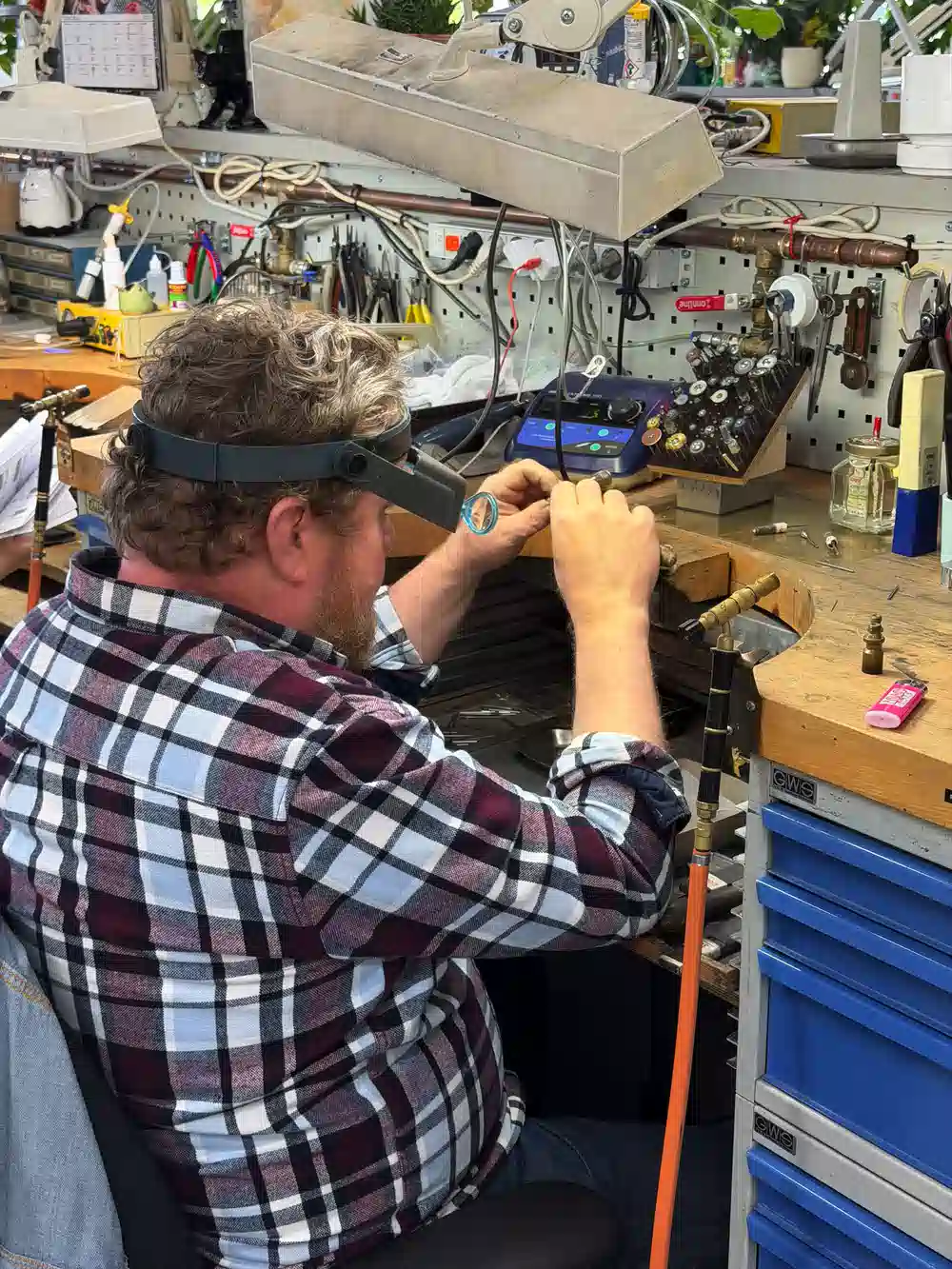 At the Finnish jewelry brand Kalevala, skilled artisans handle many of the production steps in their own workshop, from design and casting to polishing and finishing.
The reason I have always been fascinated by Japanese fashion is its history of redefining the very concept of "what fashion is," while maintaining a deep reverence for tradition. I am also strongly drawn to Japan’s diverse subcultures and the way people use fashion as a tool for self-expression and communication. I am planning to relocate to Japan this year, so I am really looking forward to experiencing the community firsthand and learning from Japanese culture and customs.
Leevi / PR & VIP Relations Coordinator
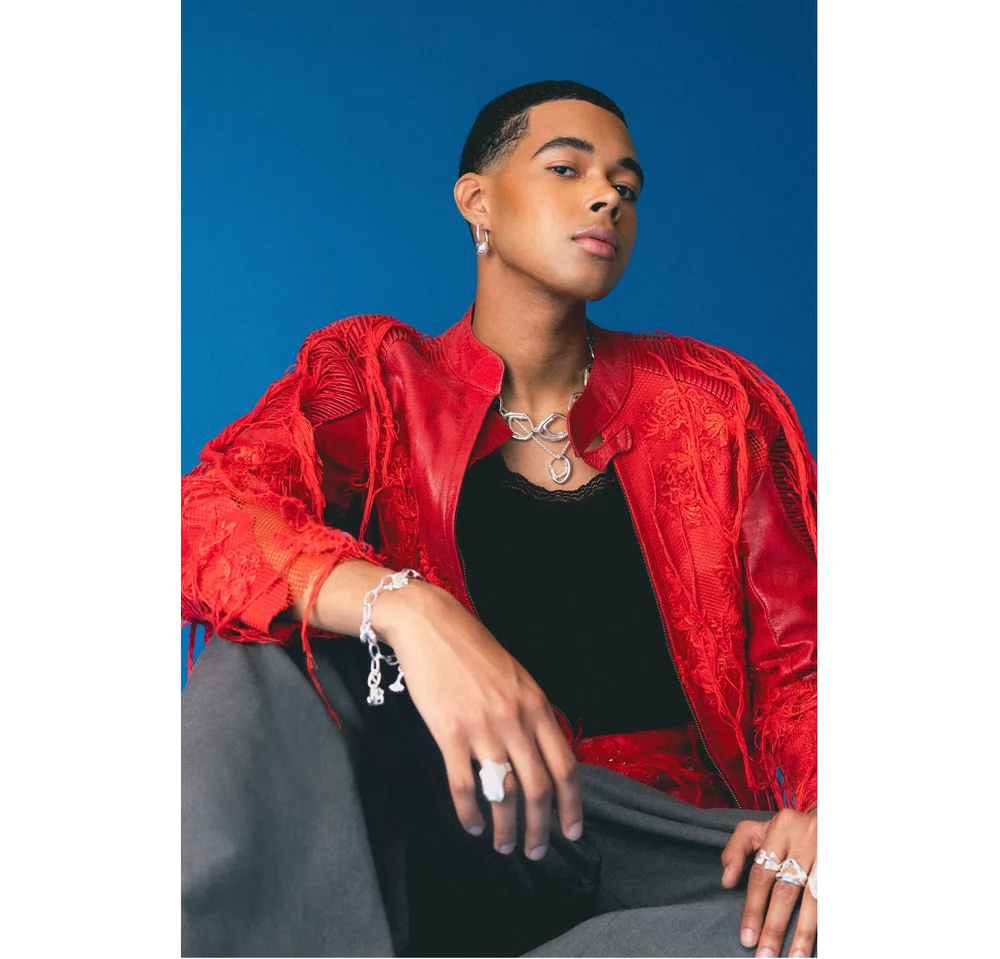
A Helsinki-based PR and VIP Relations Coordinator. Originally from Joensuu in Eastern Finland, Leevi has been drawing attention for a unique style since their teenage years. Known for an approach that features bold color choices and playful layering, Leevi communicates the importance of self-expression through personal fashion. While currently active in the fields of fashion and PR, Leevi also actively participates in the broader Nordic fashion scene, including Copenhagen Fashion Week. With a free-spirited and confident style, Leevi is steadily growing their presence as a new-generation Nordic fashion icon.
Instagram:@leeviowie
Q1. Why do you think it is important to showcase Helsinki fashion to the world right now? What are your thoughts on its significance and timing?
I think it is incredibly important to showcase Helsinki fashion to the world right now. This is because Finland is home to so many talented young designers, creators, and artisans. While we possess a great tradition of design and excellent education, our international potential has not yet been fully unlocked.
By raising awareness of Finnish fashion, I believe we can create new opportunities for young designers, attract international attention, and contribute to the growth of the industry as a whole. Through my work with "Fashion in Helsinki," I have come to realize just how much talent exists in this country. And I want people around the world to discover that talent as well.
Q2. What does "Helsinki-ness" mean to you? How does the city’s charm influence your lifestyle and creativity?
To me, Helsinki is a city where creativity, nature, and everyday life harmonize in a unique way. It is cosmopolitan and vibrant, yet at the same time, it maintains a calm and welcoming atmosphere.
Helsinki is a very special place for me personally because it is where I found my place in the fashion industry and began building my career. I feel this city encourages people to unleash their creativity while staying grounded. I also absolutely love the fashion culture here. People dress in their own unique styles, which makes Helsinki a constantly inspiring place to live and work.
この投稿をInstagramで見る
この投稿をInstagramで見る
Q3. What do you see as the greatest strength of contemporary "Nordic fashion," which maintains such a unique presence?
I believe the greatest strengths of Nordic fashion are sustainability, craftsmanship, and timeless design. There is a strong commitment to quality, and the emphasis is placed on making clothes that will be cherished for a long time, transcending temporary trends. A deep respect for materials, functionality, and responsible production also characterizes Nordic fashion. At the same time, a lot of innovation and creativity are emerging from this region, keeping the industry exciting and future-oriented.
Q4. What similarities do you see between the fashion scenes of Finland and Japan, and what is your impression of the Japanese fashion community?
I feel that Finland and Japan share many commonalities in fashion. Both countries value craftsmanship, quality, and thoughtful design. We also share the trait of respecting tradition and history while remaining open to innovation and creativity. Japanese fashion has exerted a huge influence on the global fashion industry. That impact is visible in Helsinki as well, particularly among the younger generation and within street culture.
Moreover, through brands like Marimekko and Kalevala, our two countries have shared a long-standing connection, and these brands are highly appreciated in Japan. I have long held a deep respect for the work of Issey Miyake and Rei Kawakubo for their creativity and craftsmanship. I am also fascinated by how traditional elements like tabi still carry a global influence in contemporary fashion today.
My impression of the Japanese fashion community is extremely positive. There is an incredible level of creativity, dedication, and reverence for craftsmanship. I am eager to learn more about Japan’s next generation of designers and new talent.
Ryle / Fashion & Culture Curator & Creative Consultant
A fashion and culture curator and creative consultant based in Barcelona and Paris. Originally from the Philippines, Ryle centers their work on an inclusive perspective and sustainability, actively working to promote diversity within the fashion industry. Also known as the founder of the creative agency "The Fierce Walker Lab" and the upcycled accessory brand "Baby Drama," Ryle operates internationally, collaborating with luxury brands and participating across European fashion weeks.
Instagram:@ryletuvierra
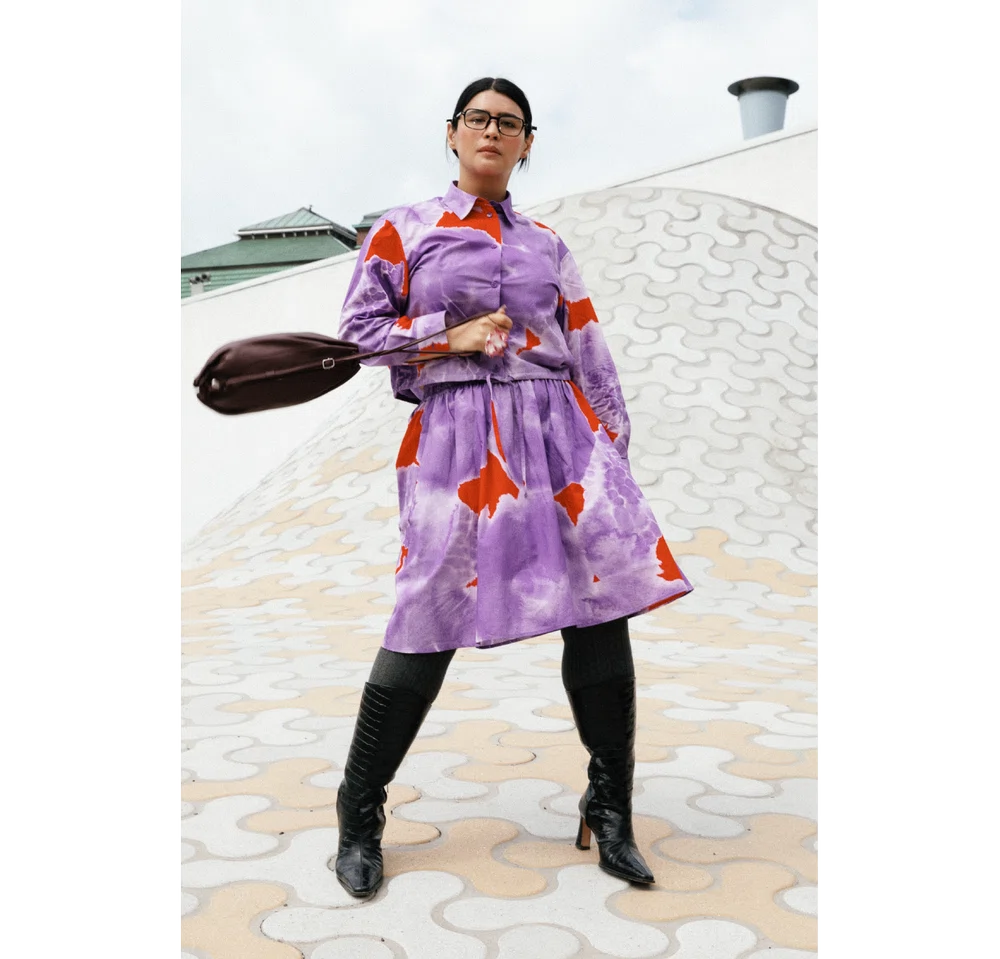
Q1. Why do you think it is important to showcase Helsinki fashion to the world right now? What are your thoughts on its significance and timing?
I believe that Helsinki fashion is emerging at a truly critical moment for the global fashion industry. While many fashion capitals are re-evaluating their relationships with sustainability, consumption, functionality, and creativity, Helsinki has quietly built a fashion ecosystem rooted not in hype or trendiness, but in a "sense of purpose."
The allure of Helsinki lies in the fact that Finnish fashion was never born out of spectacle. It is a product of everyday life, shaped by the climate, functionality, practicality, and how people actually live. In an era saturated with fast fashion and overlapping trends, this "connection to real life" serves as a major differentiator.
At the same time, Helsinki is rapidly growing its presence as one of Europe's most vibrant hubs for creativity and innovation. Educational institutions like Aalto University, alongside industry and public sectors, work in tandem to attract international talent, investors, buyers, and cultural figures. Furthermore, the new generation of designers emerging from here are not only shaping the future of Nordic fashion but are also making their mark at some of the world's leading luxury maisons.
That is why sharing Helsinki fashion right now means far more than just introducing brands. It is about demonstrating a future vision for fashion—one where design excellence, sustainability, education, innovation, and a high quality of life coexist. Instead of mimicking existing fashion capitals, Helsinki offers a unique perspective that complements them, which is exactly why it deserves a firm place in the global fashion dialogue.
Q2. What does "Helsinki-ness" mean to you? How does the city’s charm influence your lifestyle and creativity?
To me, Helsinki is a "city of possibilities built on a foundation of calmness."
The charm of this city lies not only in its design culture or creative industries, but in its commitment to prioritizing human well-being. A high standard of living, excellent education, safety, accessibility, and a deep-rooted social trust—all of these elements create an environment where people feel secure enough to pursue their ideas, businesses, and creative projects. Personally, I am constantly inspired by places like Oodi, the Helsinki Central Library. It embodies a new vision for open public spaces, meticulously designed for learning, collaboration, and community.
Moreover, every time I visit Finlandia Hall, spend time in museums that harmonize with nature, take a ferry out to the islands, or stroll through the parks, Helsinki reminds me that progress and harmony can coexist. Operating internationally, I also deeply appreciate the city's openness and receptivity. People are polite, globally minded, and English is widely spoken. Diversity continues to expand, accompanied by an open attitude toward international collaboration.
Above all, Helsinki gives me the space the breathing room to think, grow, and align with my purpose. For me, a city that simultaneously offers this much inspiration and peace of mind is incredibly rare.
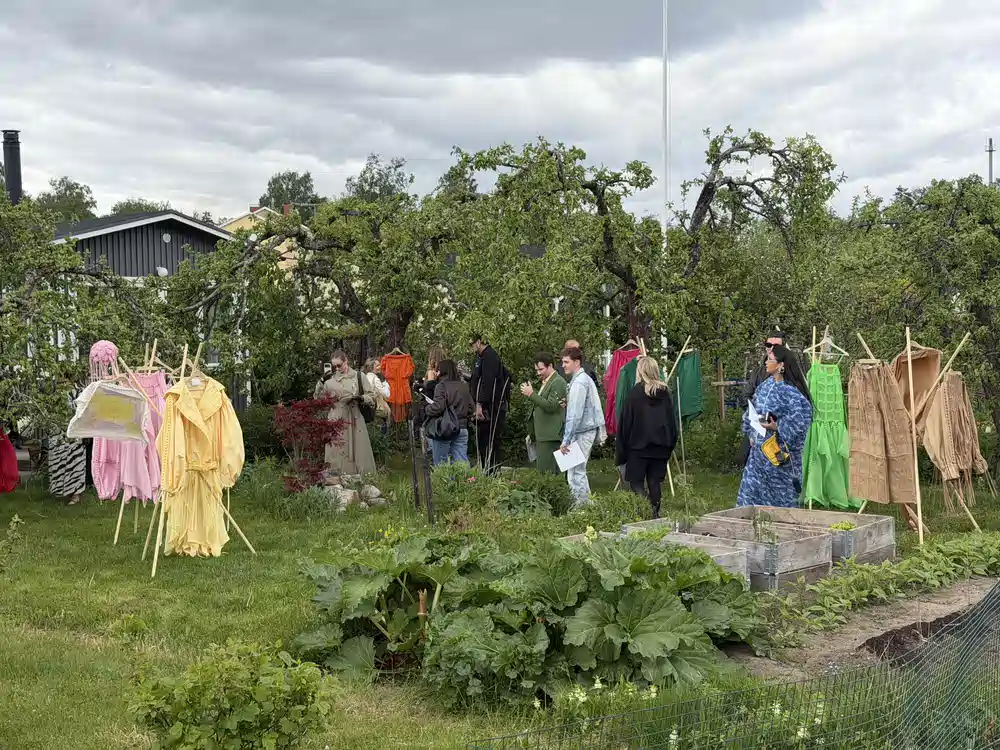 Sofia Ilmonen’s Spring/Summer 2027 collection. Set against a lush green garden, lightweight looks harmonizing with nature were unveiled.
Q3. What do you see as the greatest strength of contemporary "Nordic fashion," which maintains such a unique presence?
The strength of Nordic fashion lies in its ability to balance functionality with sophistication. Nordic designers understand that clothes should serve a purpose while still expressing individuality. This philosophy has given rise to a design language that is clean, intellectual, practical, yet refined. Rather than imposing how to dress on people, Nordic fashion leaves room for each individual to interpret and style it in their own way.
Furthermore, a major strength of this region is its commitment to innovation. Through functional materials, responsible sourcing, circular design, and innovation in production methods, Nordic fashion is guiding the industry toward a more sustainable and future-oriented direction.
What is particularly interesting is that Nordic fashion does not rely on logos or excessive branding. Instead, it speaks through craftsmanship, texture, silhouette, and attention to detail. There is a "confidence in the aesthetics of restraint." As consumers become more conscious of what they buy and why, the value of Nordic fashion is rising more than ever. It offers garments that do not just "look good today," but will "continue to hold value and function for years to come." I believe this long-term perspective is precisely one of its greatest strengths.
Q4. What similarities do you see between the fashion scenes of Finland and Japan, and what is your impression of the Japanese fashion community?
I feel that Nordic and Japanese fashion share many commonalities. In particular, there is a mutual respect for craftsmanship, functionality, textile development, and thoughtful design. Both understand that exceptional design dwells in the details. Through advanced textiles, technical structures, and meticulous tailoring, both cultures deeply respect quality and durability. Rather than relying on mere trends, both place great importance on creating products that hold long-lasting value.
Of course, Japan has played a revolutionary role in shaping global fashion. Rei Kawakubo, Yohji Yamamoto, and COMME des GARÇONS fundamentally overturned established notions of beauty, tailoring, and silhouette—an influence that continues to be passed down to designers worldwide today.
However, what impresses me most about the Japanese fashion community is the depth of their knowledge and their discerning eye. Japanese buyers, retailers, and consumers are among the most knowledgeable in the industry, understanding construction, material development, craftsmanship, and brand philosophy at an exceptionally high level. When Japanese buyers visit Europe, they aren't simply looking for the next trend. They seek authenticity, quality, functionality, and a clear philosophy. They are drawn to brands that combine commercial viability with cultural value brands that are understated yet possess a distinct identity.
I am also deeply moved by the professionalism, respect, and courtesy that characterize the Japanese fashion community. There is a sincere dedication to pursuing excellence, which builds long-term, meaningful relationships. In many ways, Japan and the Nordic region demonstrate that fashion can be innovative and forward-thinking, while remaining deeply intertwined with craftsmanship, culture, and a sense of purpose.
Mikko Puttonen / Fashion Influencer & Photographer
Originally from Muurame in central Finland, Mikko is a photographer and fashion influencer based between London and Helsinki. Beginning his photography career at the age of 16, he initially captured the beautiful lakes and forests of his native Finland in portraits before gradually expanding his focus into unique fashion expression. His work and personal style are characterized by a singular worldview that fuses high fashion, gender fluidity, and a profound connection to nature. In addition to creating visuals for brands like Kalevala, he also works as a creator for Vogue Scandinavia, earning high acclaim within the international fashion scene.
Instagram:@mikkoputtonen

Q1. Why do you think it is important to showcase Helsinki fashion to the world right now? What are your thoughts on its significance and timing?
I believe Helsinki is at a very interesting stage right now. It has a unique culture where the exquisite fusion of modernity and tradition seen in its architecture and food scene coexists with a cozy local atmosphere and the rich nature of its archipelago—including places I love, like Suomenlinna and Vallisaari. This unique environment is currently serving as a fresh source of inspiration for creators.
From a fashion perspective, backed by the vibrant energy of the city, a new generation of independent brands and designers is emerging one after another, bringing entirely fresh ideas to the industry. Because "now" is the moment where Helsinki’s multifaceted charm and this fresh, home-grown creativity intertwine, I think it is the perfect timing and highly meaningful to share that fresh power with the world.
Q2. What does "Helsinki-ness" mean to you? How does the city’s charm influence your lifestyle and creativity?
To me, Helsinki is a Nordic capital that exudes a somewhat unique charm. While feeling attuned to contemporary trends, it shines with a distinct individuality unlike anywhere else. Having grown up in the Finnish countryside and now splitting my time between London and Helsinki, it is without a doubt one of my favorite cities. In particular, I am deeply drawn to the warm community and connections within the creative industry.
Q3. What do you see as the greatest strength of contemporary "Nordic fashion," which maintains such a unique presence?
I think Nordic fashion is characterized by refined silhouettes and the use of materials born out of thoughtful design. Personally, I love tailoring, and many Nordic brands are exceptionally good at it. While I don't usually wear many prints myself, I think Nordic brands and designers are also very skilled at print expressions. Furthermore, the emphasis placed on quality, functionality, and longevity is also a major draw.
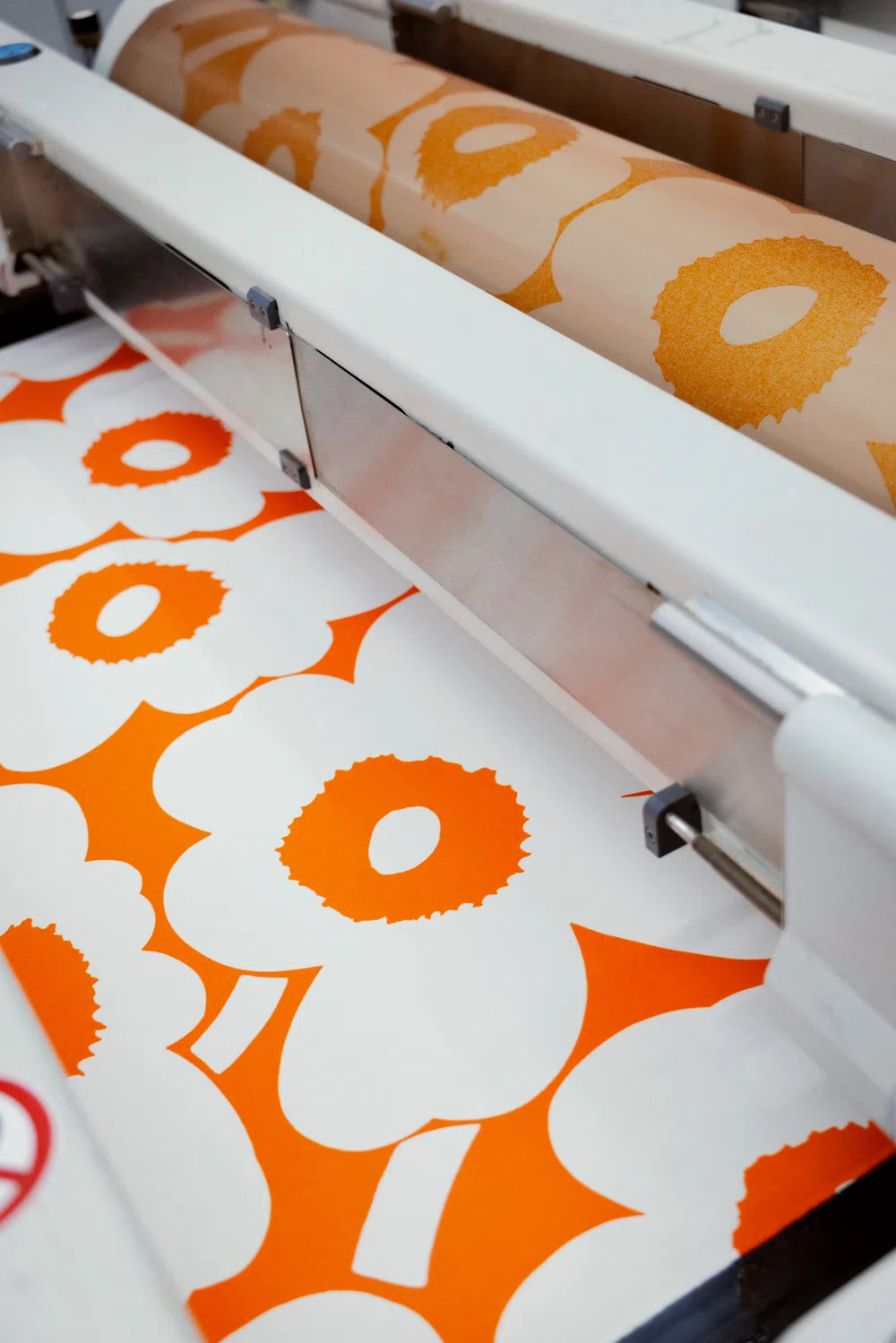 The printing process of the "Unikko" pattern at Marimekko's in-house factory.
Q4. What similarities do you see between the fashion scenes of Finland and Japan, and what is your impression of the Japanese fashion community?
I feel that the Nordic and Japanese fashion scenes share a common ground in their deep commitment to quality, craftsmanship, and materials. I have visited Japan several times, and each time, I have been deeply impressed by the high level of creativity and the strong sense of individuality that each person possesses. While I would love to get to know the Japanese fashion community even better, based on my experiences so far, I find it to be a very warm, unique, and supportive space.
Share



- Edit : Miwa Sato(QUI)